Compare a dental practice retirement plan's SEP, SIMPLE IRA, and 401(k) options by staff eligibility, employer funding, payroll work, and ongoing administration.
Use a dental office equipment delivery checklist to check condition, document discrepancies, record serials, and coordinate installation and acceptance.
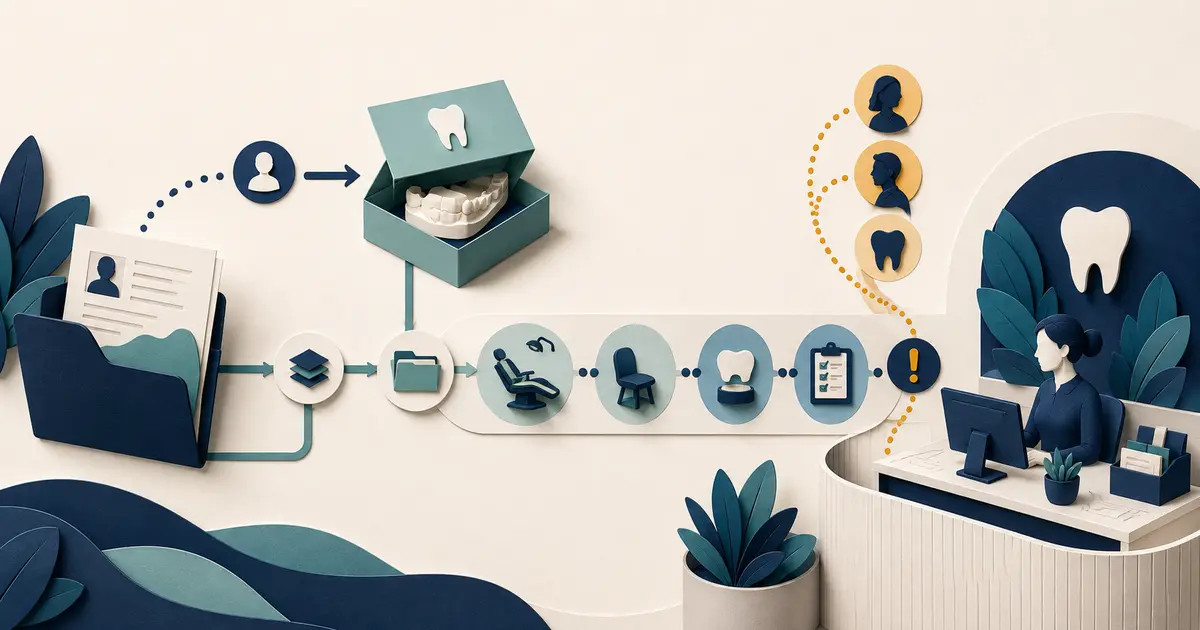
Resolve dental patient duplicate records by verifying identity, separating look-alikes from true duplicates, and checking an authorized merge across systems.
Compare a dental practice equipment trade-in with a separate sale using net price, old debt, payment timing, removal conditions, and documented data sanitization.
Prepare a dental practice lease assignment packet with counsel: check landlord consent, required evidence, conditions, guarantees, and effective dates.
Set up dental office document version control with approved SOP revisions, effective dates, named owners, change records, and withdrawal of obsolete copies.
Review dental insurance recoupment by verifying the demand, tracing original payments and offsets, preserving dispute deadlines, and avoiding double repayment.
Handle a dental patient name change by verifying the request, preserving patient history, and checking formal, preferred, and insurance subscriber names.
Read a dental practice cash flow statement by separating operating, investing, and financing movements and reconciling opening cash to the closing balance.
Prepare a dental practice purchase price allocation review with an asset schedule, valuation support, reconciliation, and questions for your CPA and counsel.
Organize dental office fire extinguisher inspection with monthly visual checks, qualified service, accessible equipment, and documented deficiency follow-up.
Review dental practice accounts payable aging with a clear cutoff, verified due dates, reconciled totals, supplier credits, and approved payment actions.
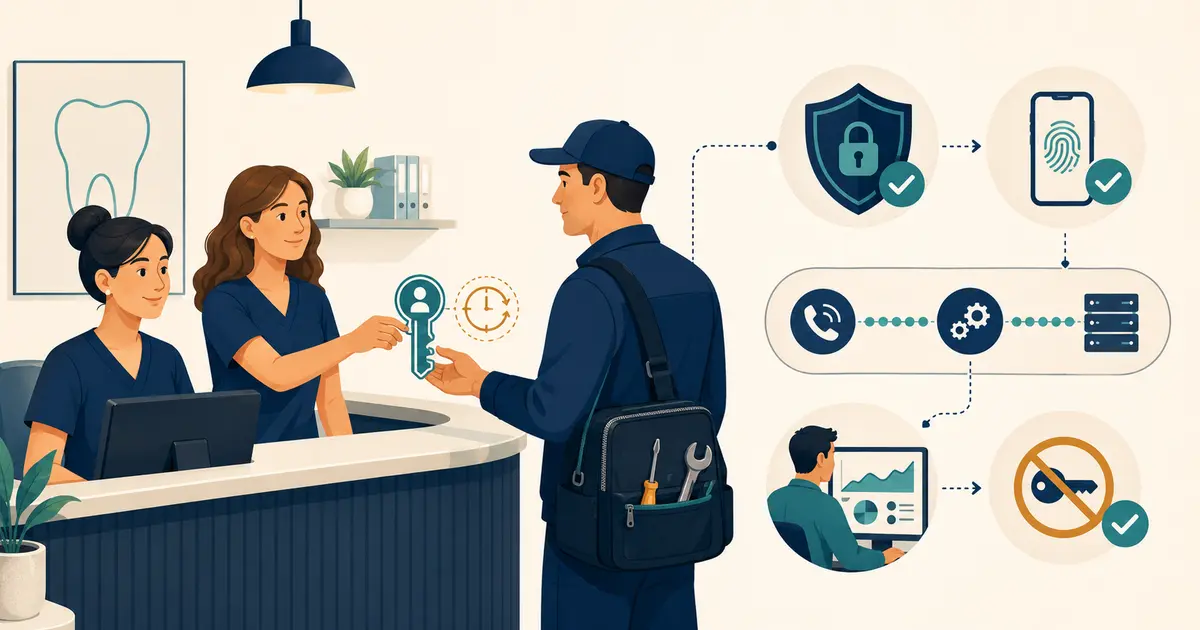
Create a dental office key control policy for issuing keys and badges, recording custody, managing spares, recovering access, and preserving safe exits.
Read a dental practice income statement by checking its accounting basis, revenue adjustments, expense categories, and the difference between profit and cash.
Prepare dental consent for minors with an intake process that verifies adult authority, routes state-law exceptions, and preserves the clinician’s role.
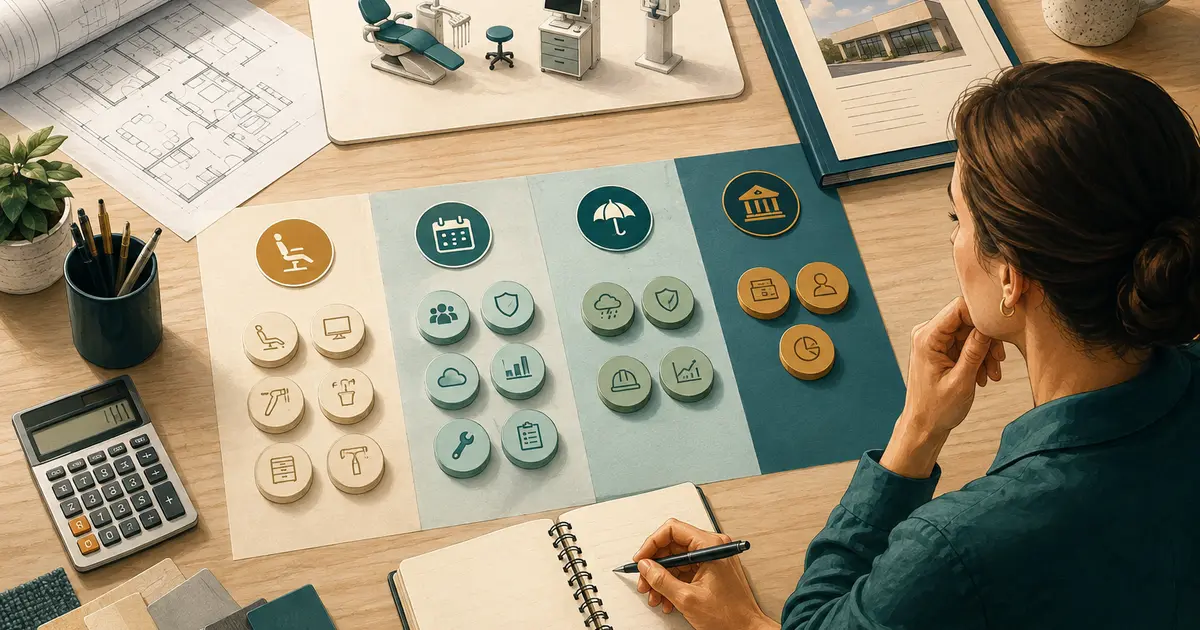
Build a dental practice capital expenditure budget with full project costs, payment milestones, replacement priorities, dependencies, and cash reserves.
Write a dental practice ownership transition letter with verified dates, care arrangements, appointment details, records contacts, and patient next steps.
Evaluate a dental office tenant improvement allowance by checking eligible costs, draw documents, reimbursement timing, and the cash needed before payment.
Review an associate dentist employment contract for work scope, linked pay terms, professional duties, insurance, restrictions, and departure obligations.
Write a dental insurance appeal letter that connects the disputed decision to verified facts, plan language, numbered evidence, and a specific request.
Calculate dental practice cost per visit with a defined operating expense pool, completed encounter count, and separate volume and service-mix comparisons.
Plan dental practice data migration with a field map, test conversion, clinical and financial checks, secure cutover, and verified access to legacy records.
Improve dental employee time tracking with actual work records, a missing-punch process, employee corrections, break review, and reliable payroll handoff.
Use a dental medical history update form with private collection, clear patient answers, version control, and an acknowledged handoff for clinical review.
Complete dental practice bank reconciliation by matching statement activity, separating timing items from book corrections, and reviewing unresolved differences.
Organize dental office safety data sheets with exact product matching, supplier revision checks, a clear index, and dependable access during every shift.
Run a voluntary dental employee exit interview with neutral questions, clear privacy limits, appropriate escalation, and a documented management response.
Explain a dental insurance downgrade by separating the planned service, alternate benefit, permitted charge, and patient estimate before discussing payment.
Test readiness for opening a second dental practice location with first-office independence, additional demand, staffing, shared costs, and downside checks.
Plan dental office signage around patient arrival decisions, property approvals, accessibility, clear wording, installation duties, and an opening walkthrough.
Prepare a dental office incident report with factual observations, preserved evidence, restricted access, and a documented handoff to the right reviewer.
Learn how to choose dental practice management software with team-led demonstrations, clear migration scope, security responsibilities, and contract checks.
Build a dental office purchasing approval process that checks need, total cost, clinical suitability, spending authority, order changes, and actual receipt.
Explain a dental insurance deductible with remaining-balance checks, service exceptions, family questions, and a worked estimate that avoids counting it twice.
Build a dental supply recall procedure that verifies the notice, traces affected lots, controls unused stock, and records manufacturer and clinician follow-up.
Measure dental practice working capital from current assets and liabilities, examine what is liquid, and understand how routine transactions change the result.
Verify a dental insurance missing tooth clause using coverage dates, tooth-loss history, plan exceptions, supporting records, and a qualified patient estimate.
Use dental practice budget variance analysis to reconcile actual results with budget, identify timing and cost drivers, and assign a corrective decision.
Plan dental office waste disposal before opening with separate waste streams, applicable local rules, suitable collection points, vendor scope, and records.
Set up dental continuing education tracking by role, jurisdiction, renewal cycle, course eligibility, required topics, completion evidence, and exceptions.
Use dental staff license verification to check issuing-board records, match credentials to duties, document restrictions, and schedule evidence-based rechecks.
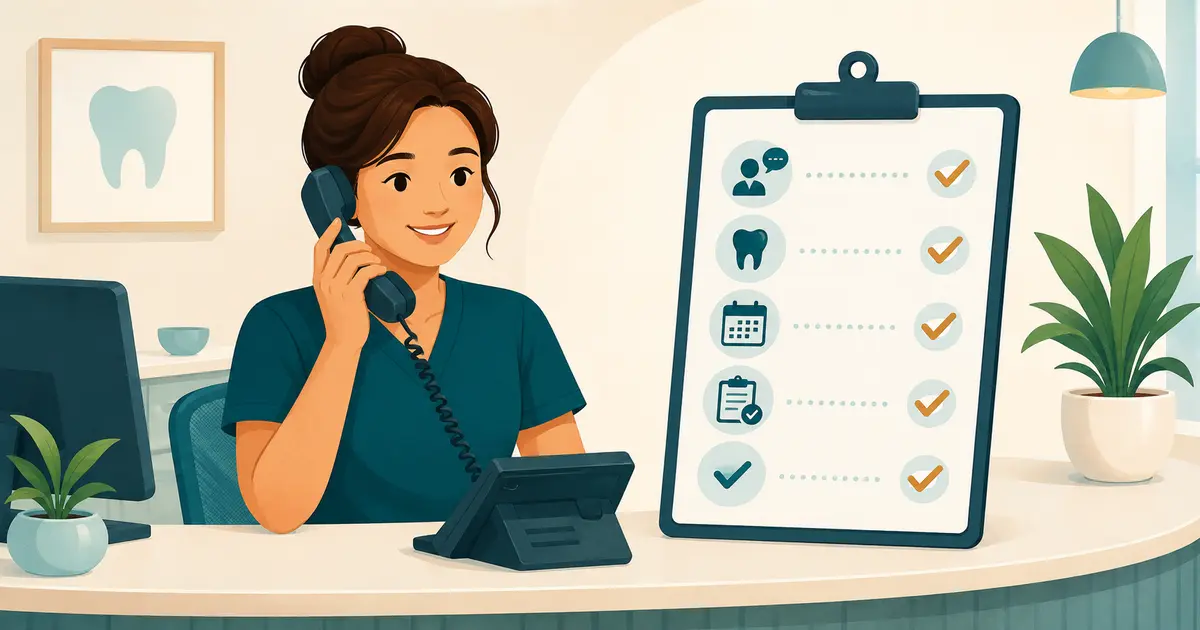
Use a dental patient checkout checklist to reconcile payments, confirm authorized follow-up, explain next steps, and assign unresolved items before departure.
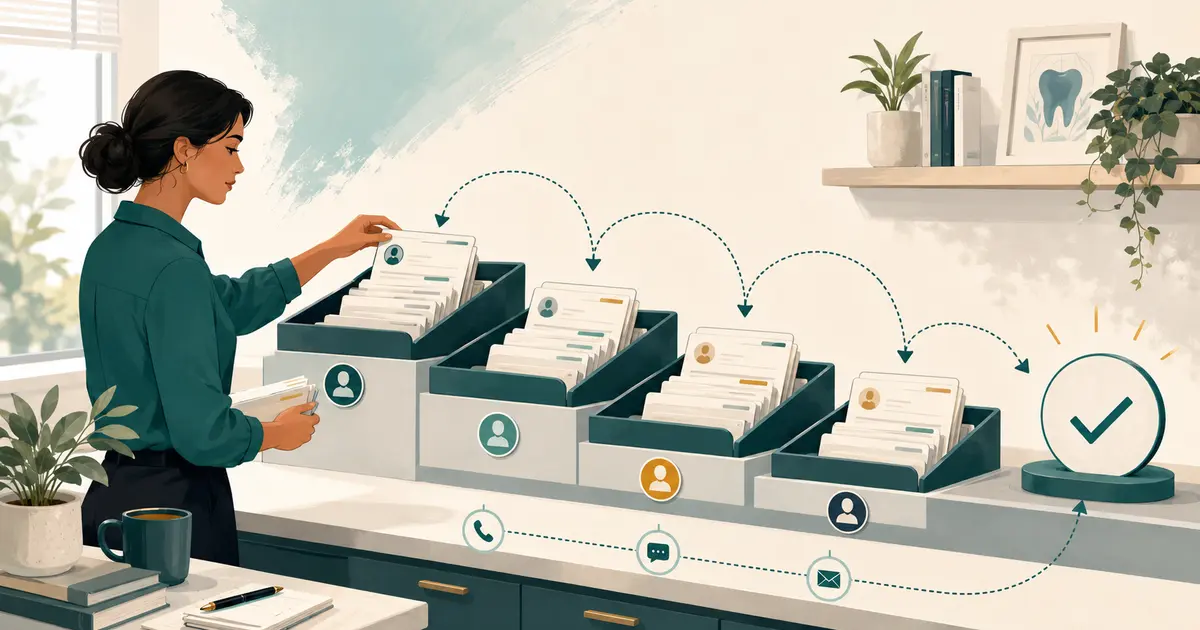
Define a dental practice active patient count with a clear lookback, qualifying visits, duplicate checks, documented exclusions, and a repeatable audit.
Compare buy vs lease dental office space through opening cash, total occupancy obligations, property control, flexibility, and realistic exit scenarios.
Organize dental office vendor contract management with notice deadlines, renewal decisions, service dependencies, assigned owners, and receipt evidence.
Learn how to choose a dental lab using dentist-defined quality requirements, material traceability, communication tests, turnaround, and written remake terms.
Build a dental equipment maintenance log with asset identities, manufacturer instructions, task triggers, service evidence, open defects, and release decisions.
Explain a dental insurance annual maximum with the correct benefit year, a dated remaining balance, pending-claim checks, and a qualified patient estimate.
Measure dental practice payer mix with separate patient, production, and collection views, then assess shared networks, concentration, and realistic tradeoffs.
Compare dental office merchant services using the same payment profile, full processing fees, funding terms, equipment costs, and contract exit duties.
Evaluate a dental group purchasing organization using matched supply costs, membership fees, delivery terms, rebate conditions, and a practical purchasing trial.
Build a dental office permits checklist around local authorities, professional approvals, premises, equipment, required evidence, and renewal responsibilities.
Build a dental record retention policy by record type, legal authority, trigger date, storage location, and hold status before authorizing secure disposal.
Verify dental insurance waiting periods by plan, service, start date, and waiver status, then explain remaining benefit limits without promising payment.
Reconcile dental production vs collections with defined adjustments, a receivables bridge, cash timing checks, and a separate production-cohort calculation.
Build a dental practice cash flow forecast with weekly receipts, payment dates, opening cash, timing scenarios, and a repeatable 13-week update process.
Use a dental patient check-in checklist to confirm identity, handle needed updates privately, resolve arrival issues, and prepare a clear clinical handoff.
Prepare a dental patient dismissal letter for clinician and legal review, with clear continuity instructions, a records route, and documented delivery.
Review your dental fee schedule with a controlled fee master, independent pricing decisions, code checks, approval records, and effective-date testing.
Plan a dental office grand opening with a clear purpose, readiness checks, a practical event schedule, privacy choices, and thoughtful guest follow-up.
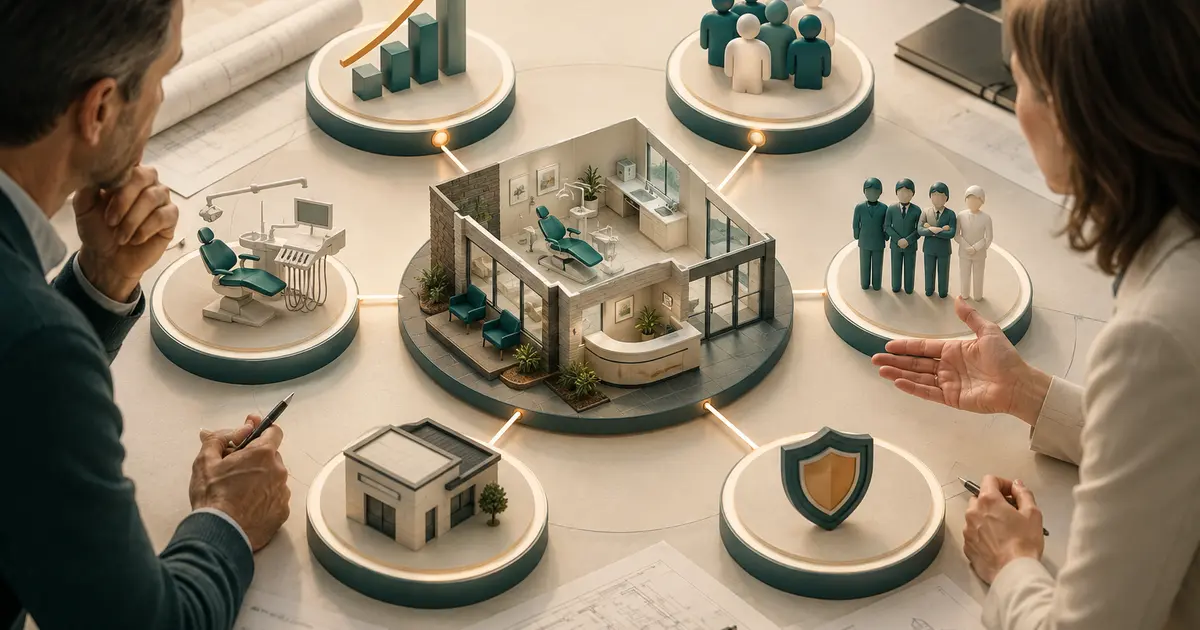
Choose a dental practice business structure discussion agenda covering state ownership rules, permitted entities, liability questions, and tax elections.
Compare a dental office contractor's experience, bid scope, allowances, change terms, schedule, and handover evidence before choosing a buildout partner.
Build a dental practice succession plan with owner goals, successor criteria, transition milestones, patient handoffs, and a separate emergency fallback.
Compare dental practice name ideas, test patient clarity, and screen business registrations, trademarks, domains, and state dental naming requirements.
Evaluate temporary dental staffing agencies with a defined shift request, credential checks, clear responsibilities, site orientation, and a clean handoff.
Manage dental insurance coordination of benefits by documenting both plans, verifying payer order, tracking secondary claims, and reconciling the balance.
Calculate dental practice profit margin with a consistent revenue base, clear owner compensation, and comparisons that separate operating results from cash.
Prepare a dental partnership agreement discussion about ownership, work compensation, decisions, capital needs, deadlock, valuation, and partner exits.
Use a dental office payroll checklist to reconcile hours, approved pay changes, deductions, funding, payroll results, corrections, and record retention.
Use a fair dental team conflict resolution process to hear both accounts, address workflow problems, agree on behavior, and recognize escalation needs.
Use this dental records release form checklist to distinguish patient access from authorization, verify requests, and document delivery without barriers.
Work through a dental practice break-even analysis using fixed costs, contribution margin, capacity, and a separate cash-flow bridge with clear assumptions.
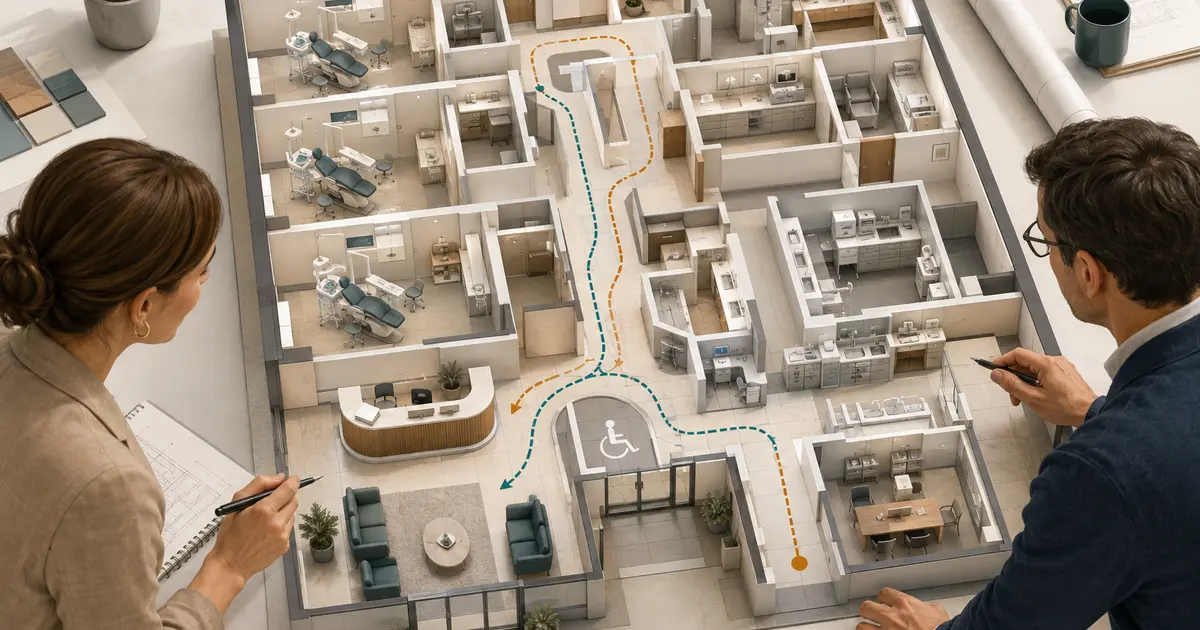
Build a dental office equipment checklist by service scope, room, and dependency, then verify delivery, installation, training, and opening acceptance.
Build a dental hygienist job description with clear duties, verified state scope, supervision, qualifications, working conditions, and hiring criteria.
Resolve dental insurance claim denials by checking acceptance, identifying the reason, selecting a correction or appeal, and documenting the next action.
Prepare for dental PPO fee negotiation with a procedure-weighted comparison, contract questions, an individual proposal, and a written follow-through plan.
Design a dental staff bonus system with clear eligibility, controllable measures, quality guardrails, written calculations, review rights, and legal oversight.
Understand dental practice valuation inputs, normalize financial records, organize operating evidence, identify risk, and prepare for an independent appraisal.
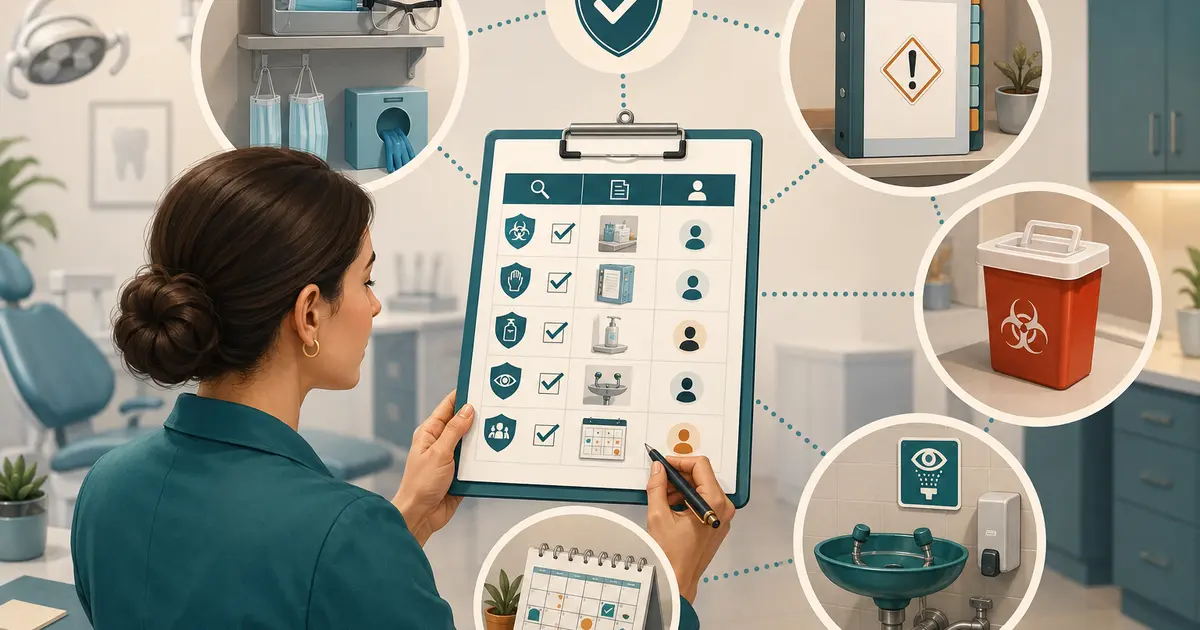
Use this dental office OSHA compliance checklist to review bloodborne pathogens, chemicals, PPE, staff training, records, audits, and corrective actions.
Plan dental email marketing for a full year with useful campaign themes, consent controls, privacy safeguards, clear calls to action, and practical measurement.
Use this dental office cybersecurity checklist to inventory systems, reduce access risk, secure email and backups, prepare for incidents, and verify vendors.
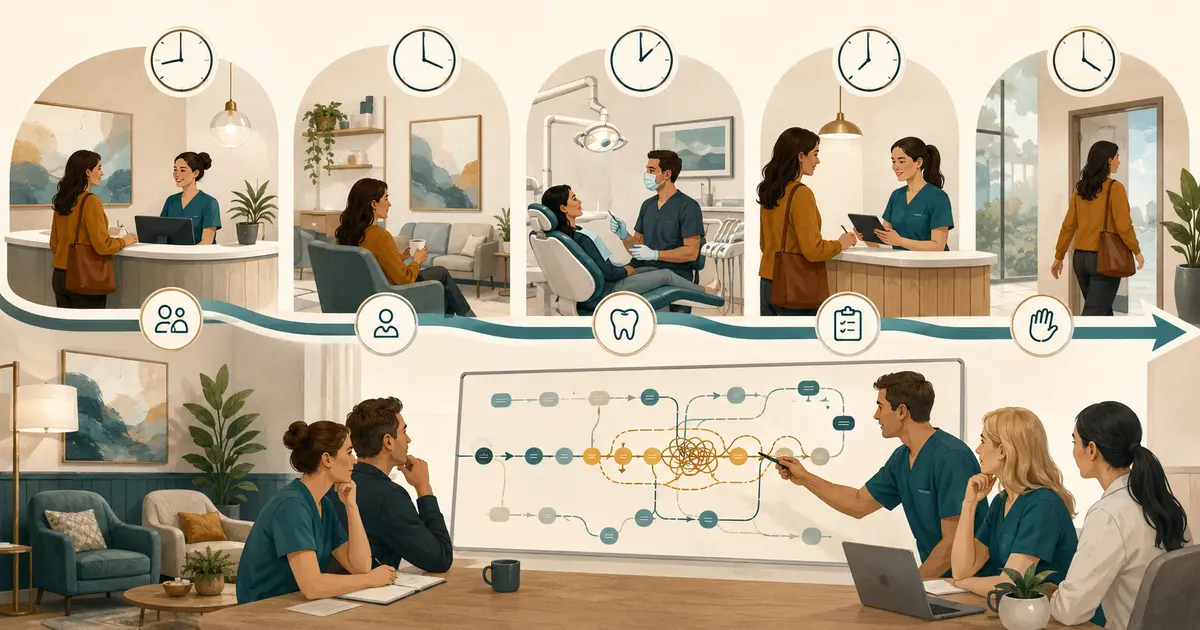
Use this dental new patient experience checklist to improve first contact, previsit preparation, arrival, handoffs, clear explanations, checkout, and follow-up.
Build a dental inventory system with item owners, par levels, reorder points, two-bin signals, receiving controls, expiration checks, and cycle counts.
Use ethical dental case acceptance strategies to support informed decisions with plain-language explanations, teach-back, transparent estimates, and follow-up.
Use practical dental staff retention strategies to improve manager check-ins, workload clarity, recognition, career growth, scheduling, and stay interviews.
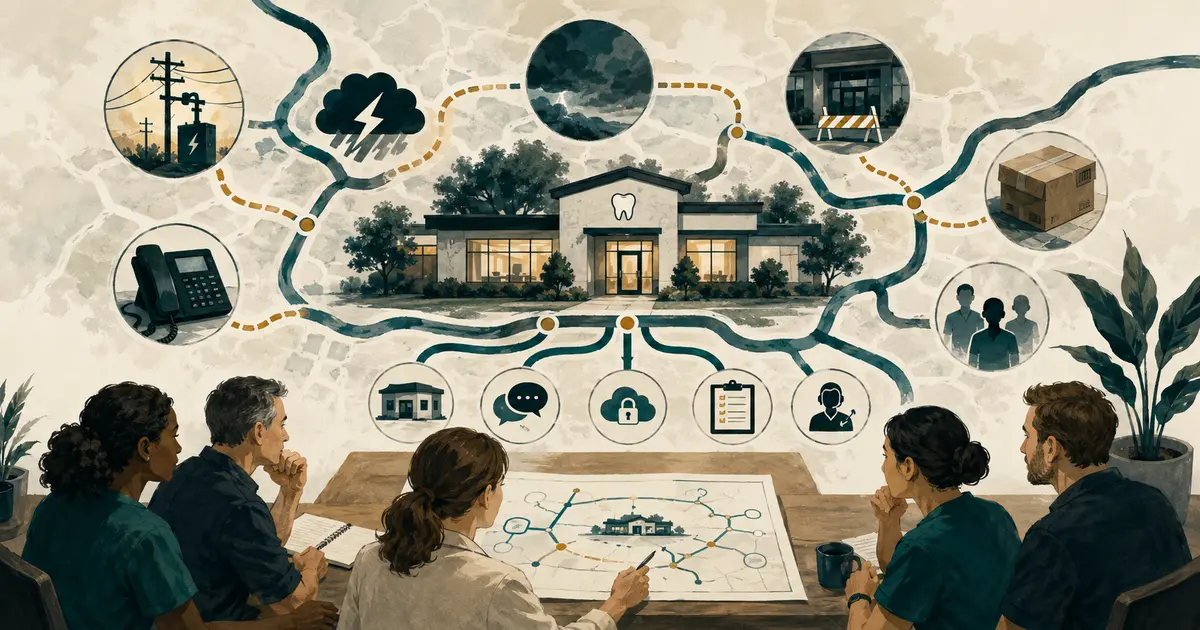
Create a dental practice business continuity plan for staff safety, patient communication, data access, vendors, downtime workflows, recovery, and testing.
Learn how to reduce dental office wait times by measuring each step, protecting the first appointment, matching capacity, managing delays, and testing changes.
Use this dental team meeting agenda to review results, solve one operating problem, train a workflow, assign actions, and close with accountable follow-up.
Learn how to calculate dental practice overhead with consistent definitions, find its operational drivers, and reduce costs without weakening patient care.
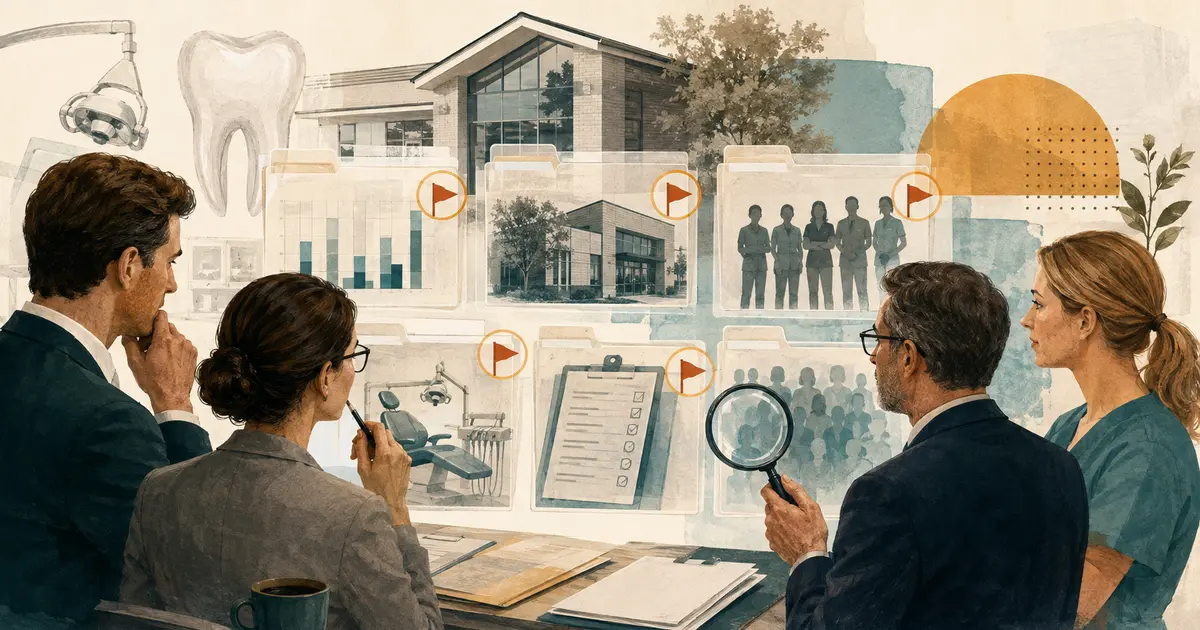
Use this due diligence checklist when buying a dental practice to review financials, patients, staff, facility, technology, compliance, and transition risk.
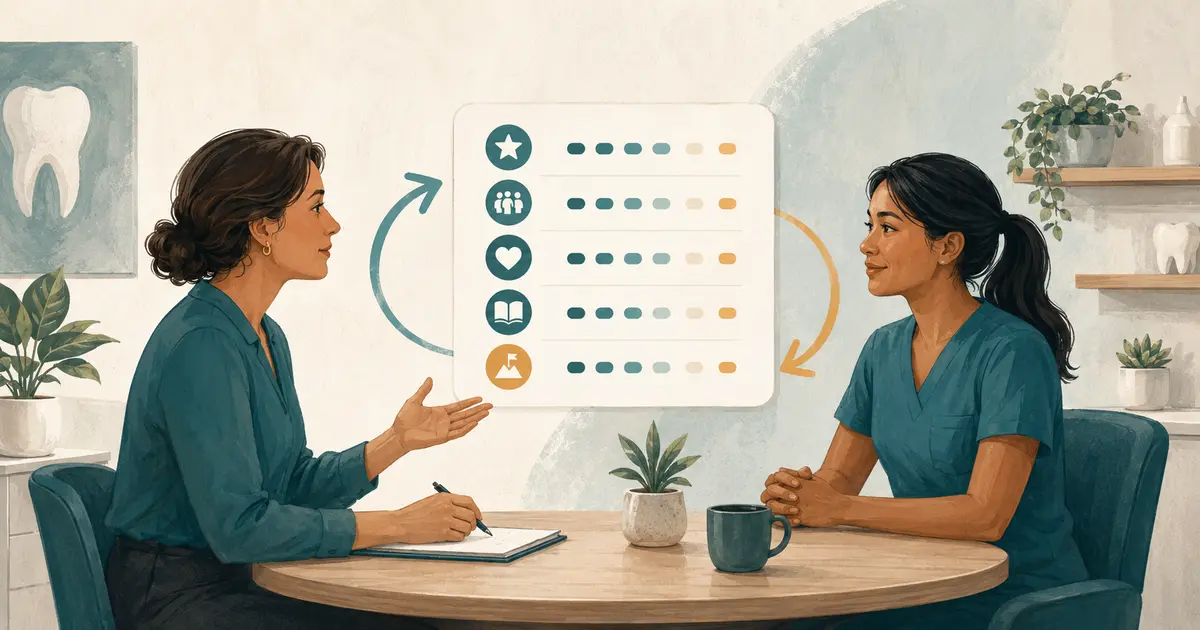
Use this dental employee performance review template to document results, discuss job expectations, create a growth plan, and schedule useful follow-up.
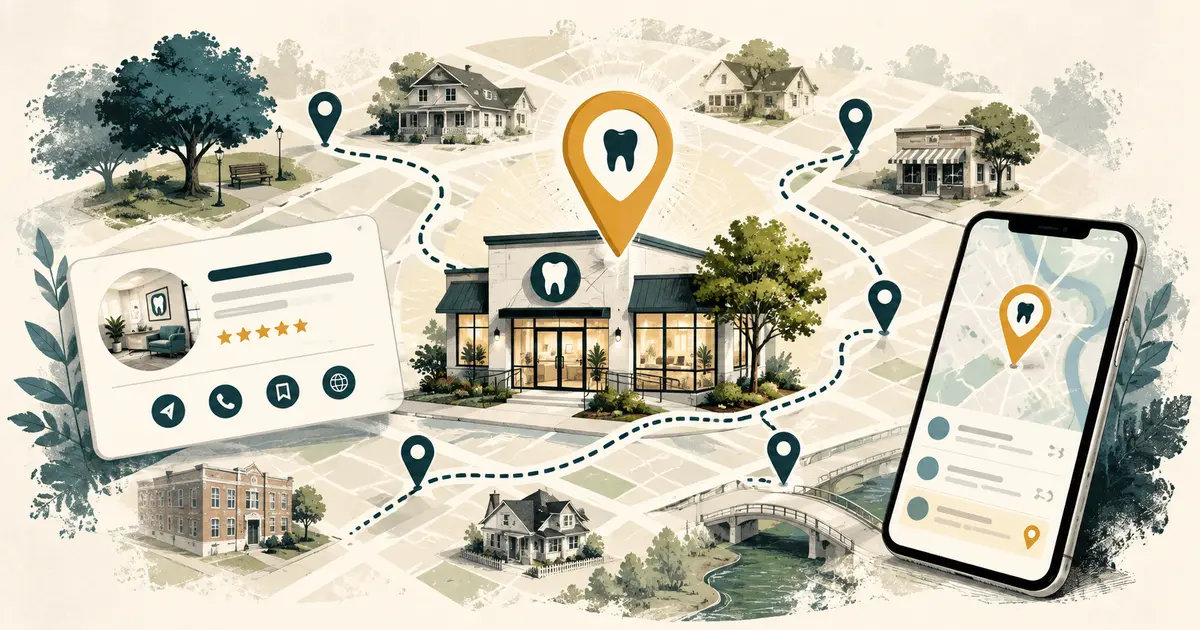
Use this local SEO checklist for dentists to improve business information, service pages, reviews, technical signals, and measurement without shortcuts.
Explore dental referral program ideas, build a compliant sharing workflow, choose simple materials, train the team, and measure referred-patient growth.
Learn how to get more Google reviews for a dental practice with a neutral request workflow, staff scripts, privacy-safe responses, and useful tracking.
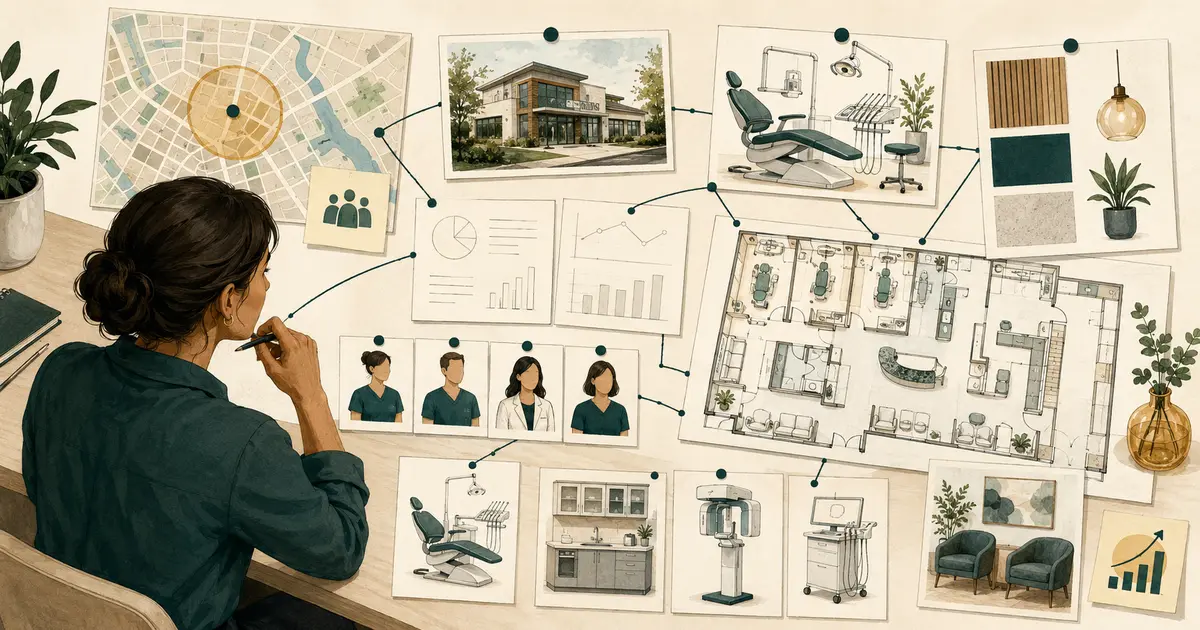
Use this dental practice business plan template to define your market, services, team, operations, startup budget, funding needs, risks, and milestones.
Learn how to correct dental records, preserve original entries, document amendments, notify affected parties, and close requests through a controlled process.
Build a practical dental front desk training manual with role-based lessons, call practice, privacy safeguards, checklists, and a 30-day training plan.
Use this dental office manager job description template to define duties, authority, qualifications, success measures, and structured interview criteria.
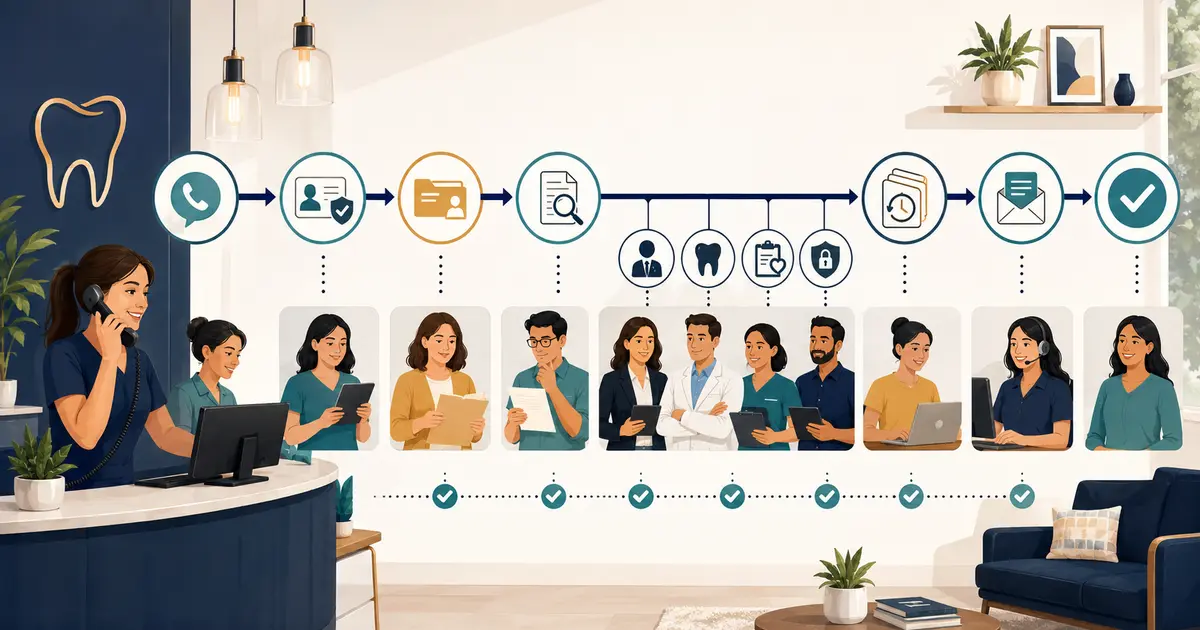
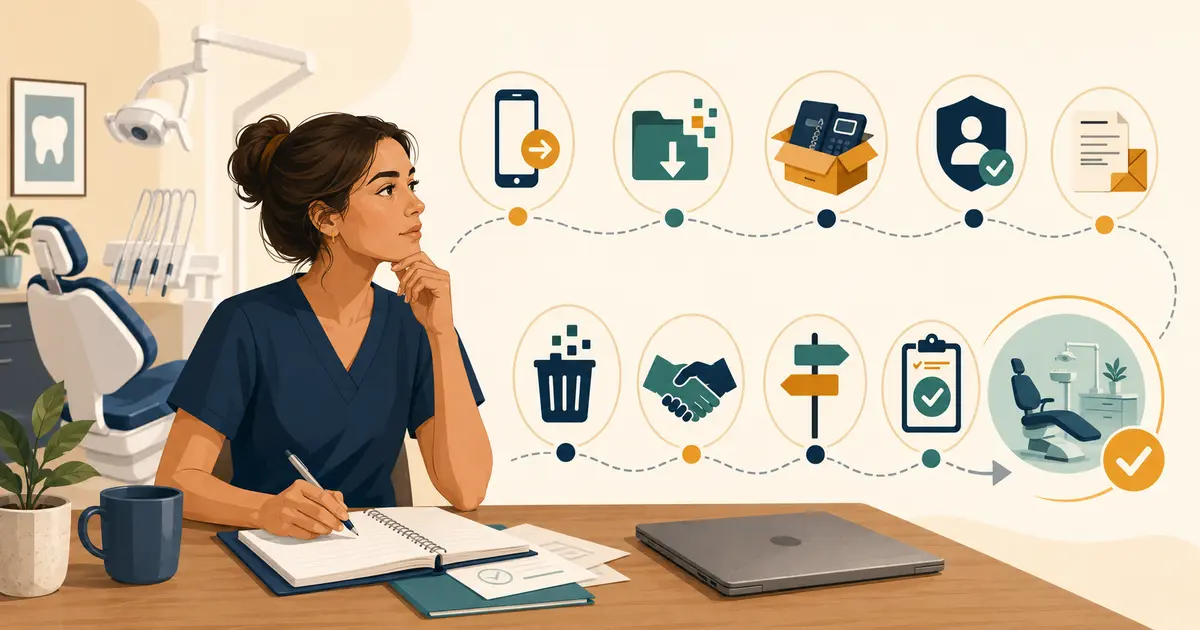
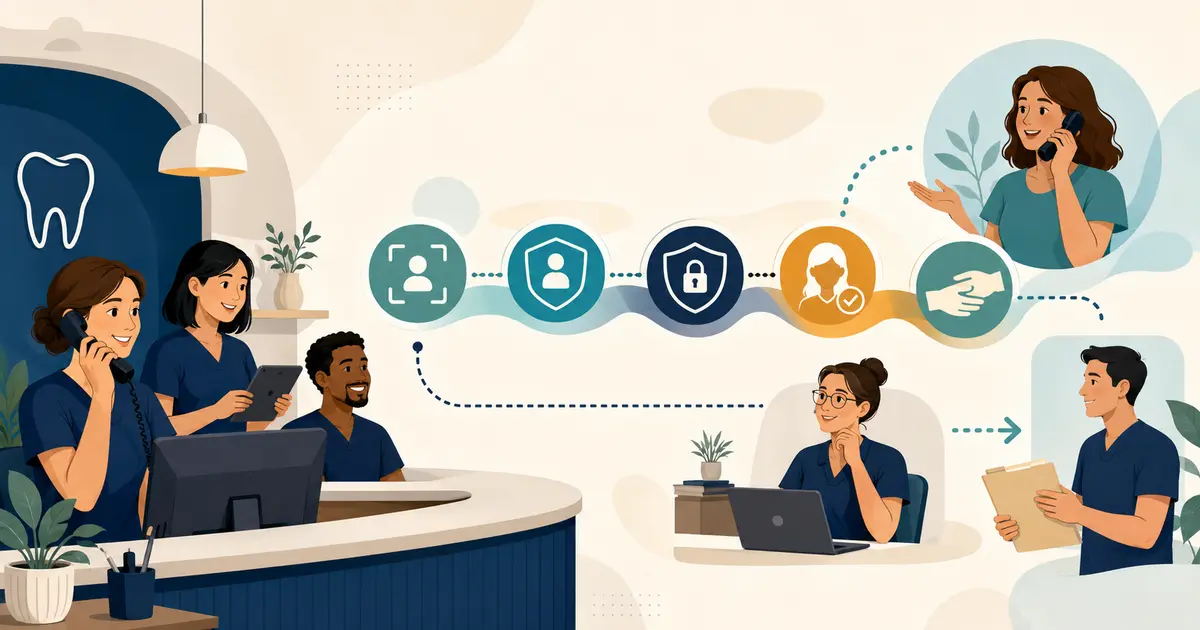
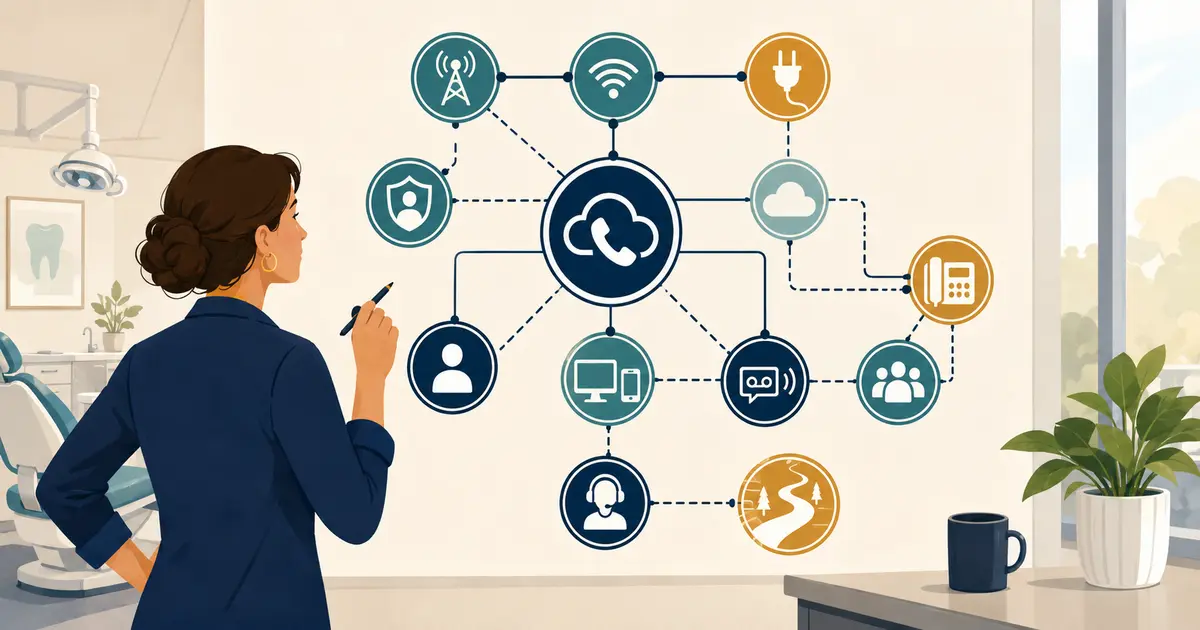
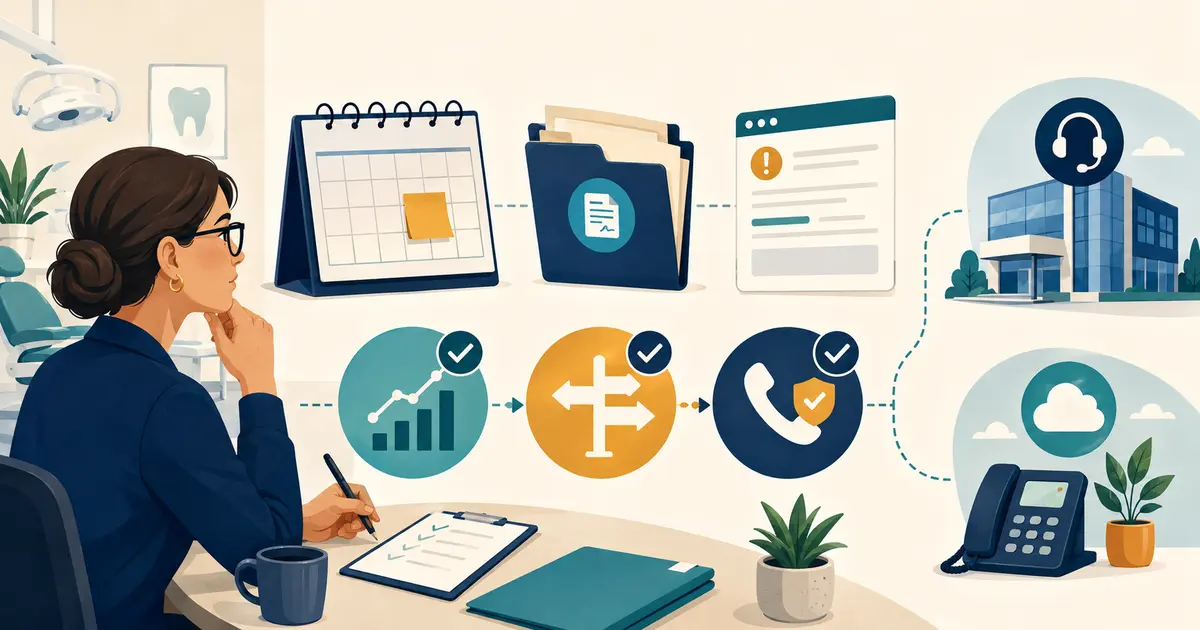
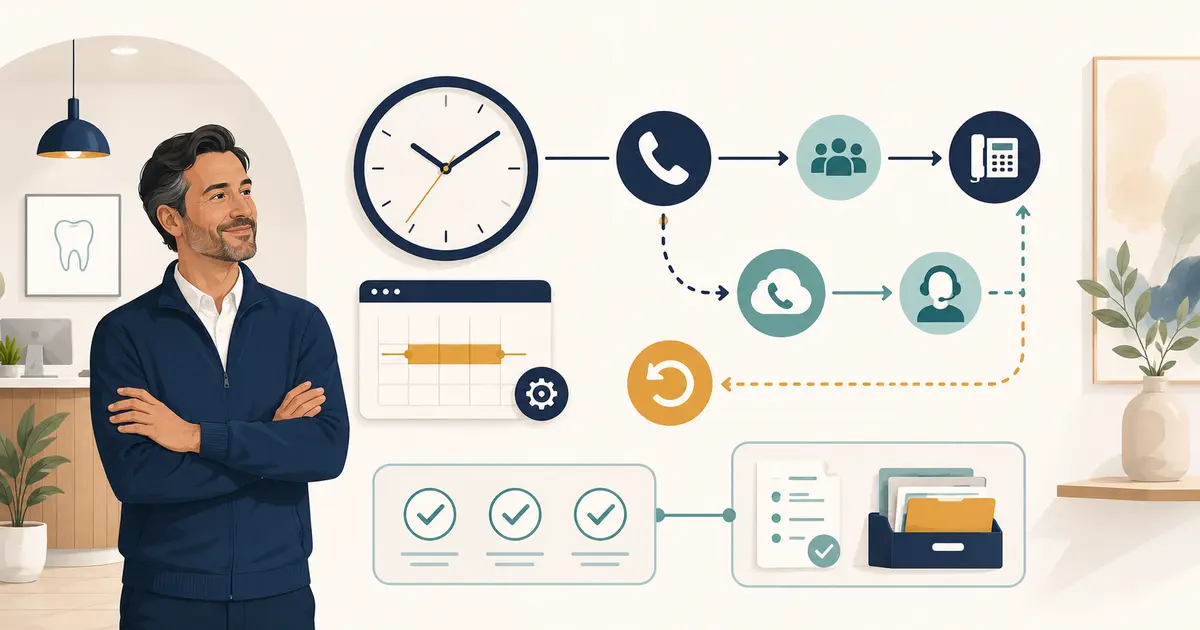
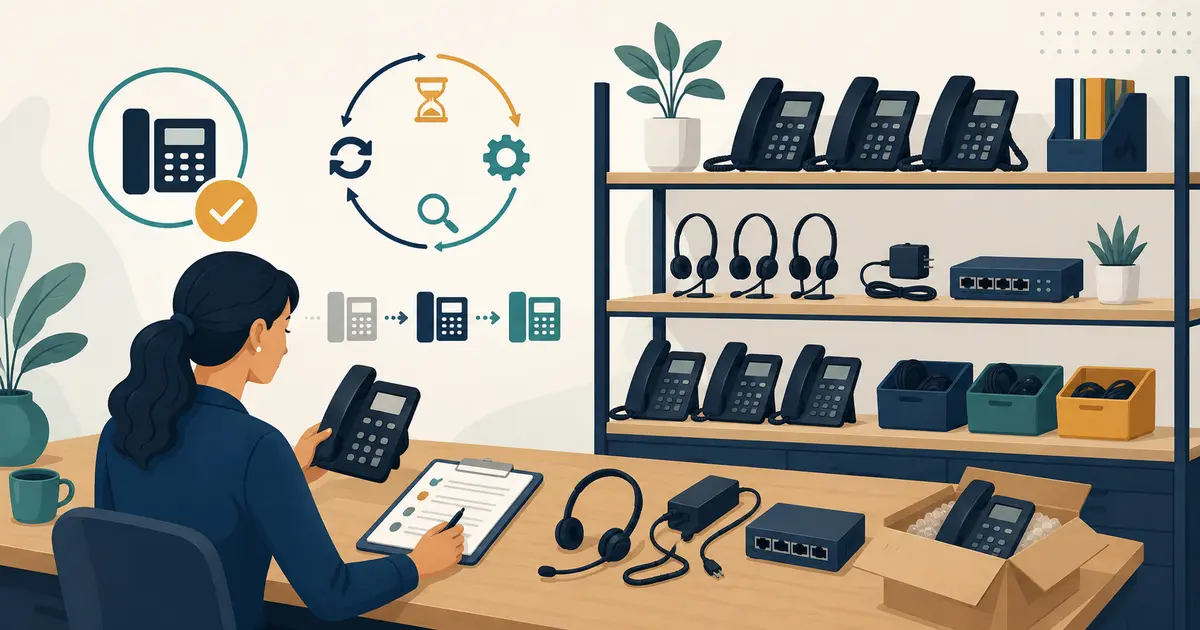
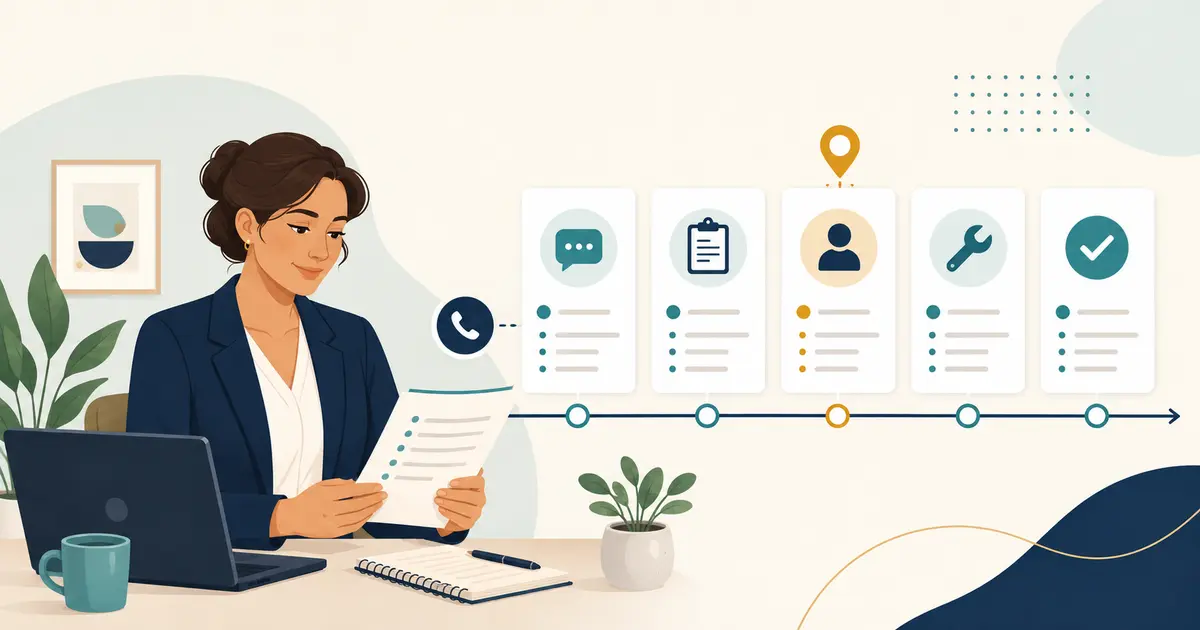
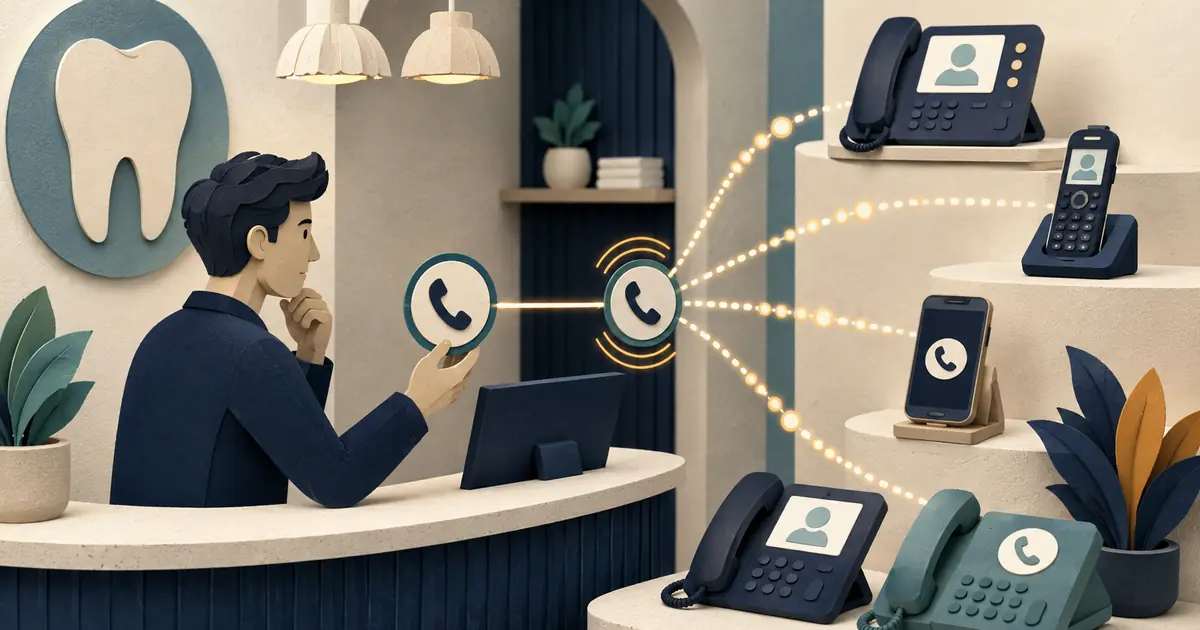
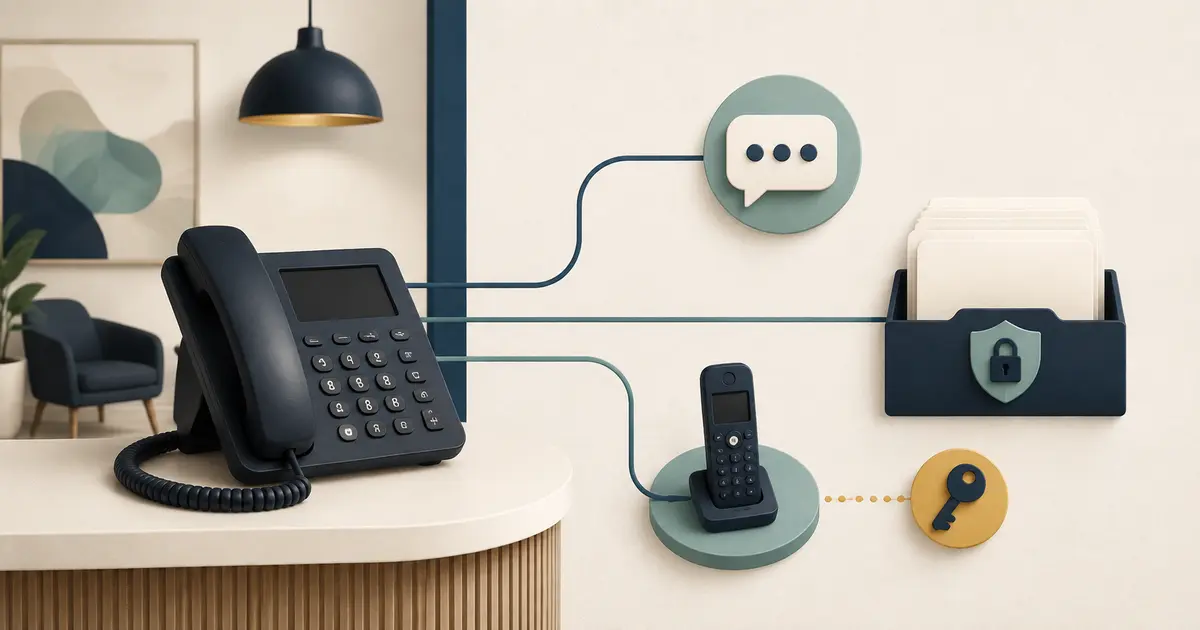
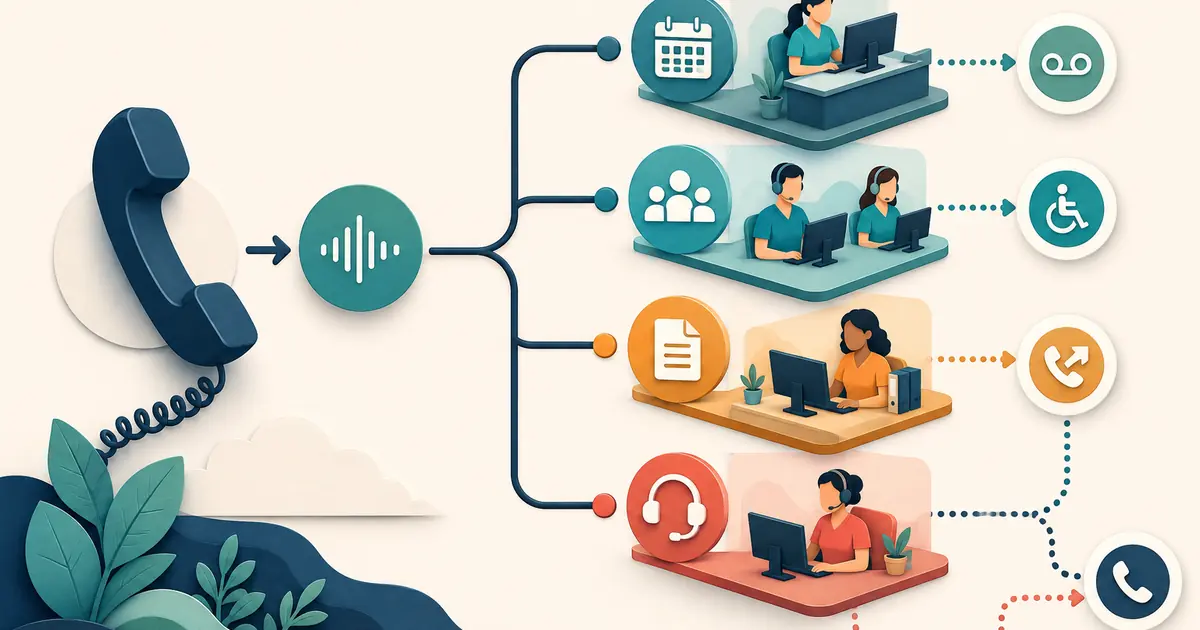
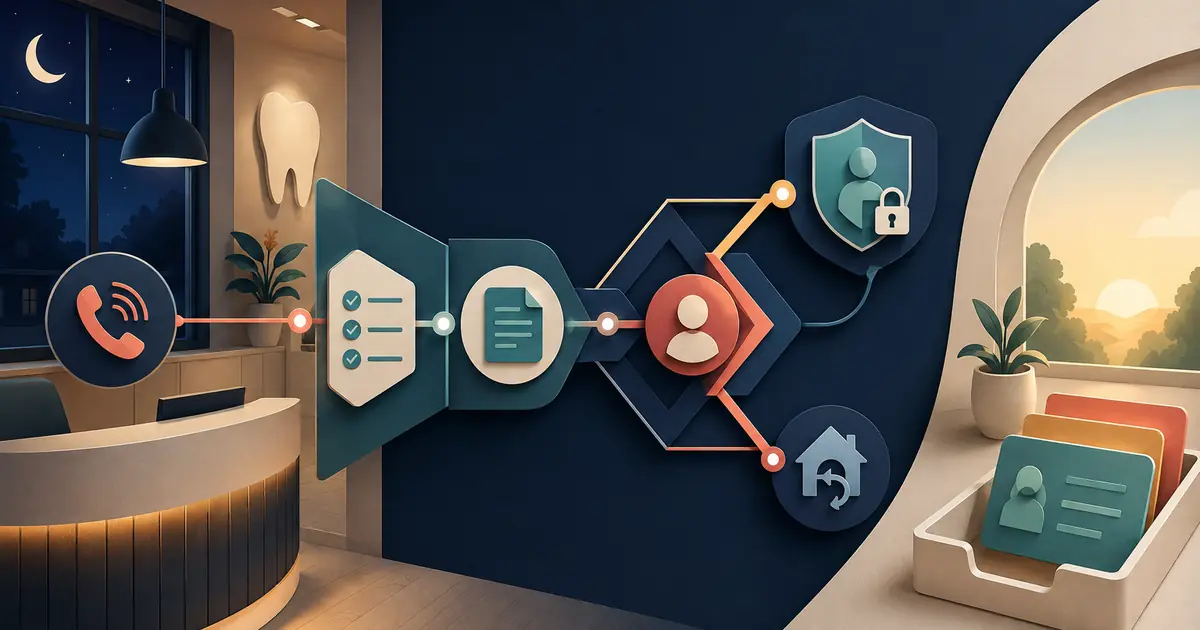
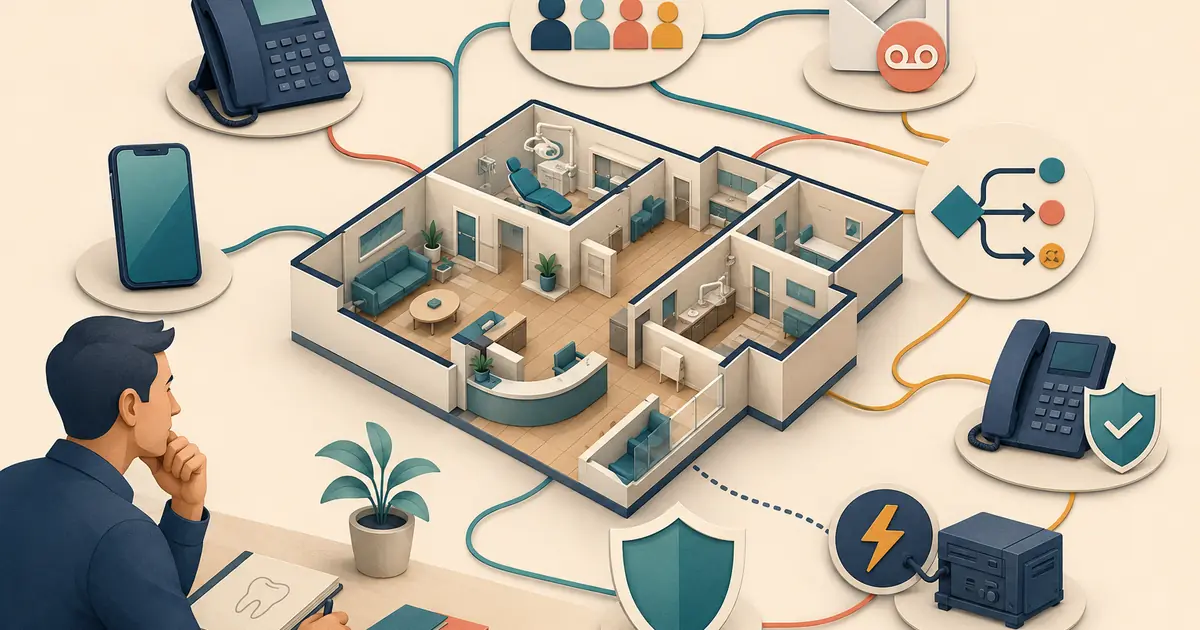
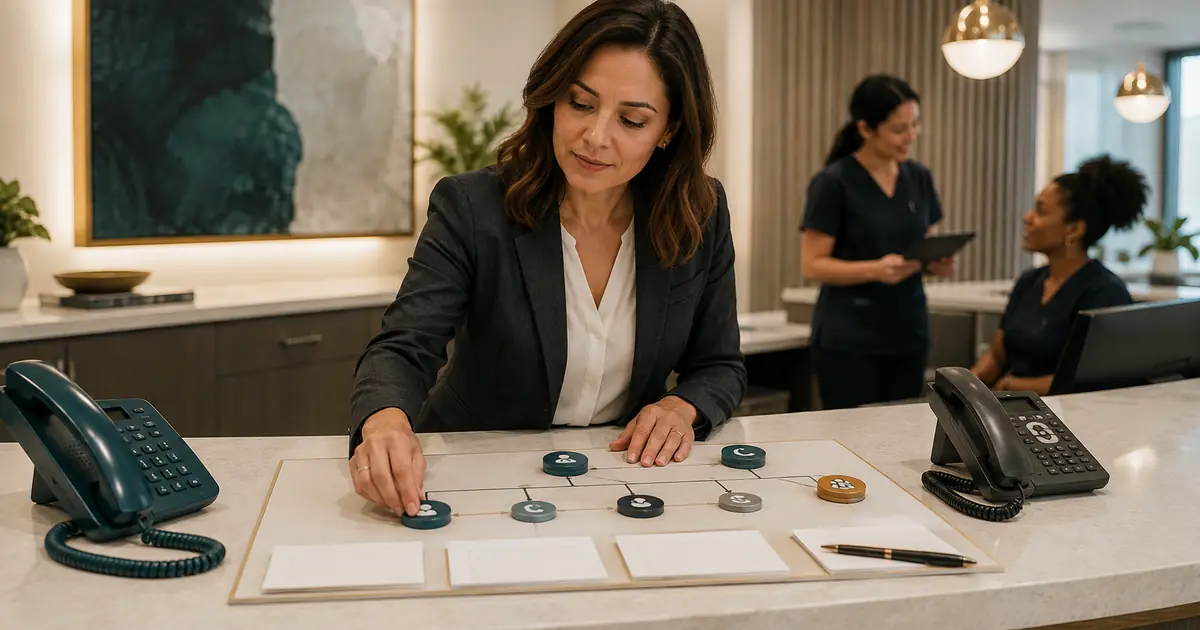
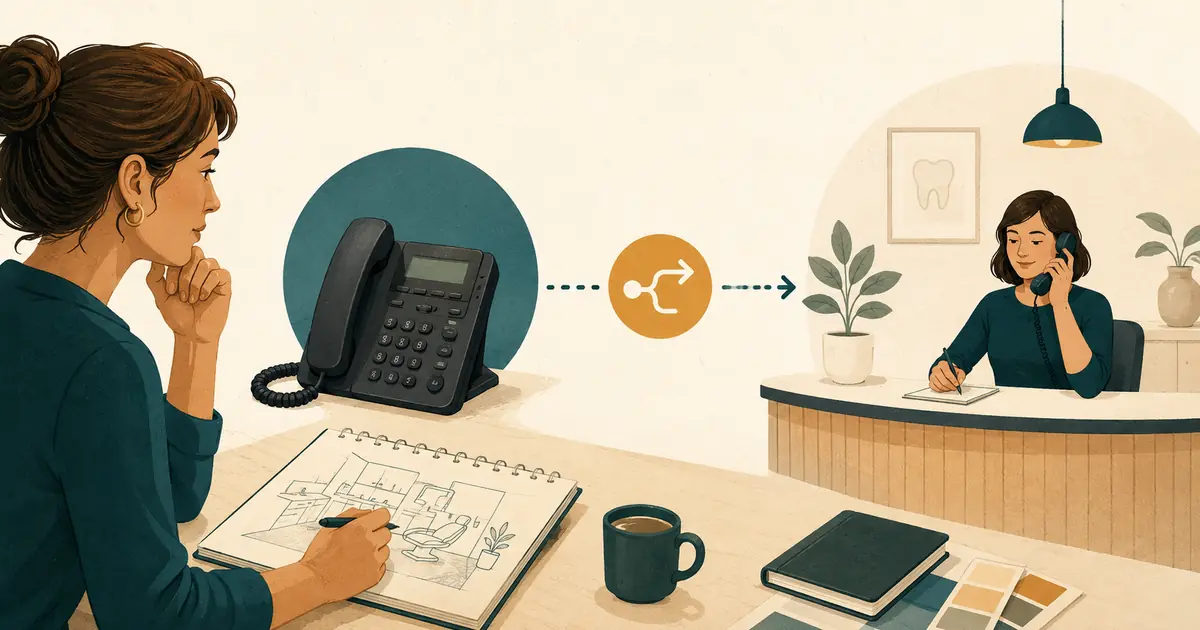
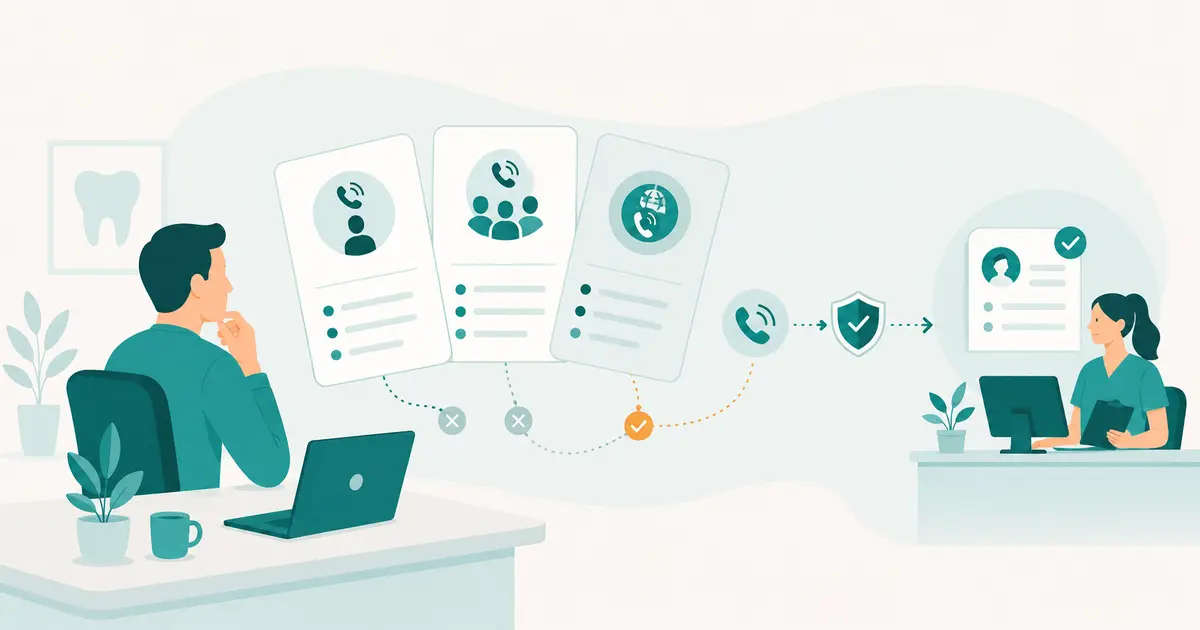
Use a phased checklist to switch dental office phone providers, keep important numbers, test every call route, and avoid preventable downtime at launch.
Learn when a family member may speak for a dental patient, how HIPAA personal representatives differ from helpers, and what front desk staff should verify.
Ask dental office manager interview questions that test leadership, scheduling, finances, patient service, compliance, reporting, and team development.
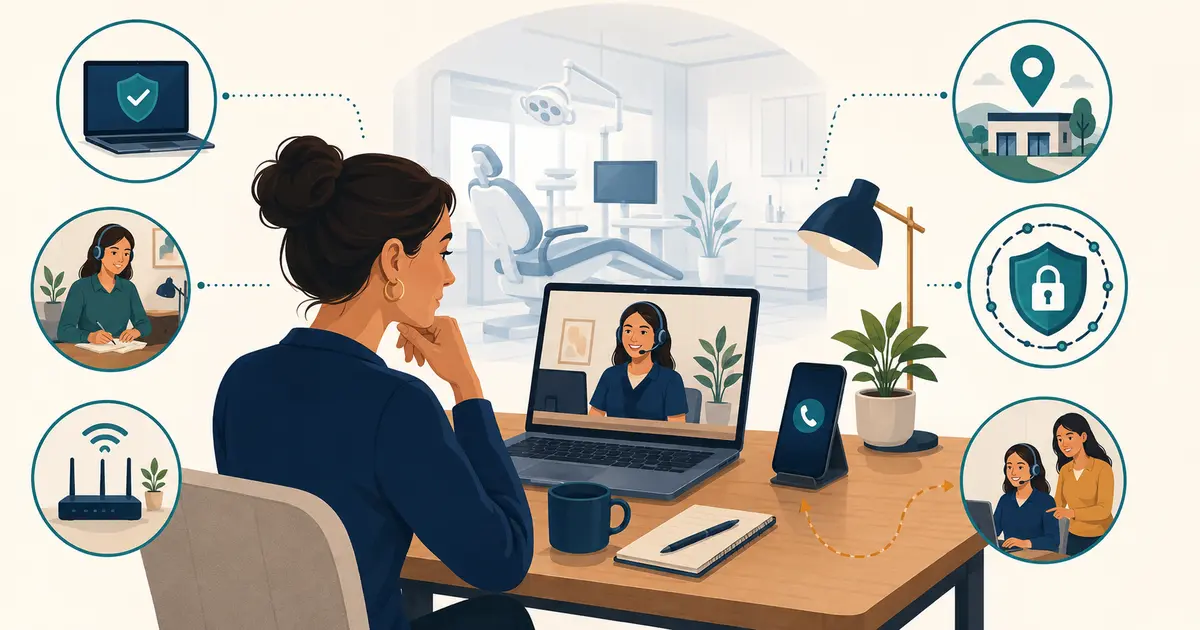
Set up a remote dental receptionist with a defined role, secure workspace, approved systems, call workflows, training, supervision, testing, and backup.
Use 25 dental receptionist interview questions, strong-answer signals, red flags, and practical exercises to hire a capable dental front desk employee.
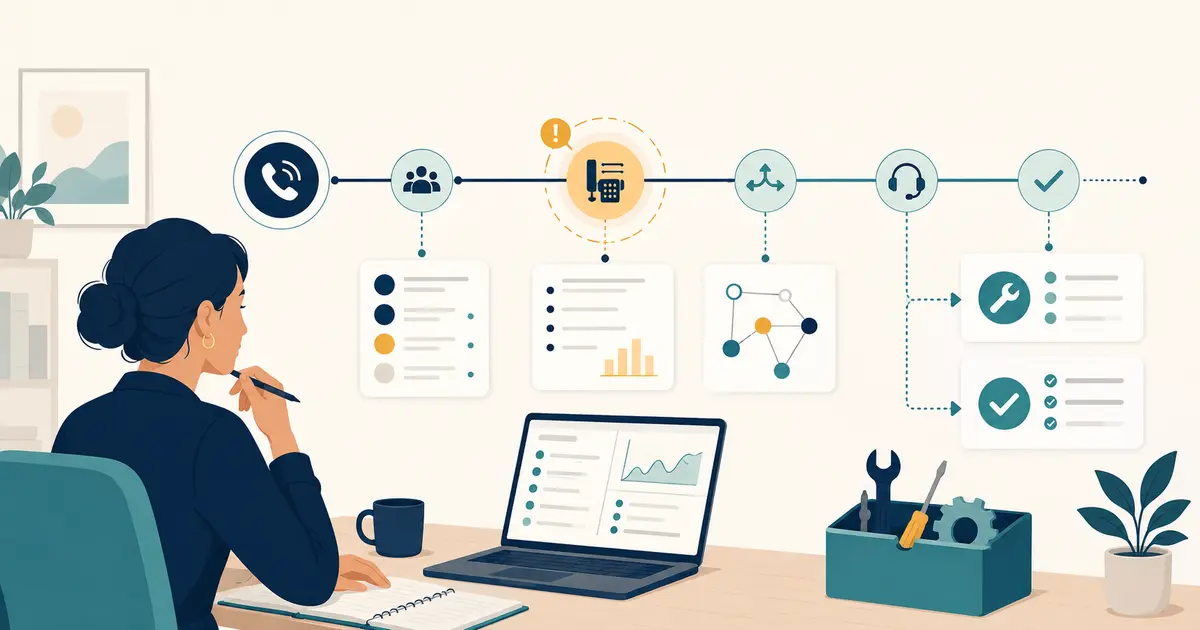
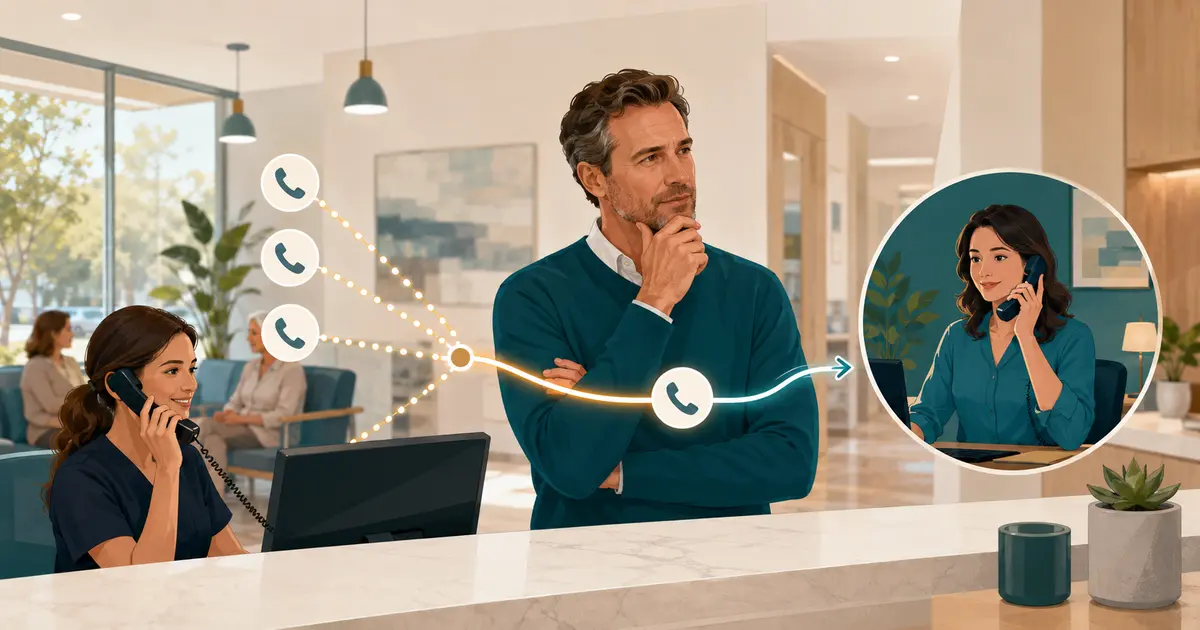
Troubleshoot dental office call transfer problems with a symptom checklist, caller recovery script, test matrix, and evidence your phone provider can use.
Use a dental phone policy exception register to document narrow departures, owners, risk review, compensating controls, expiration, and closure evidence.
Control temporary dental phone vendor access with individual identity, least privilege, approval, time limits, monitored change, evidence, and revocation.
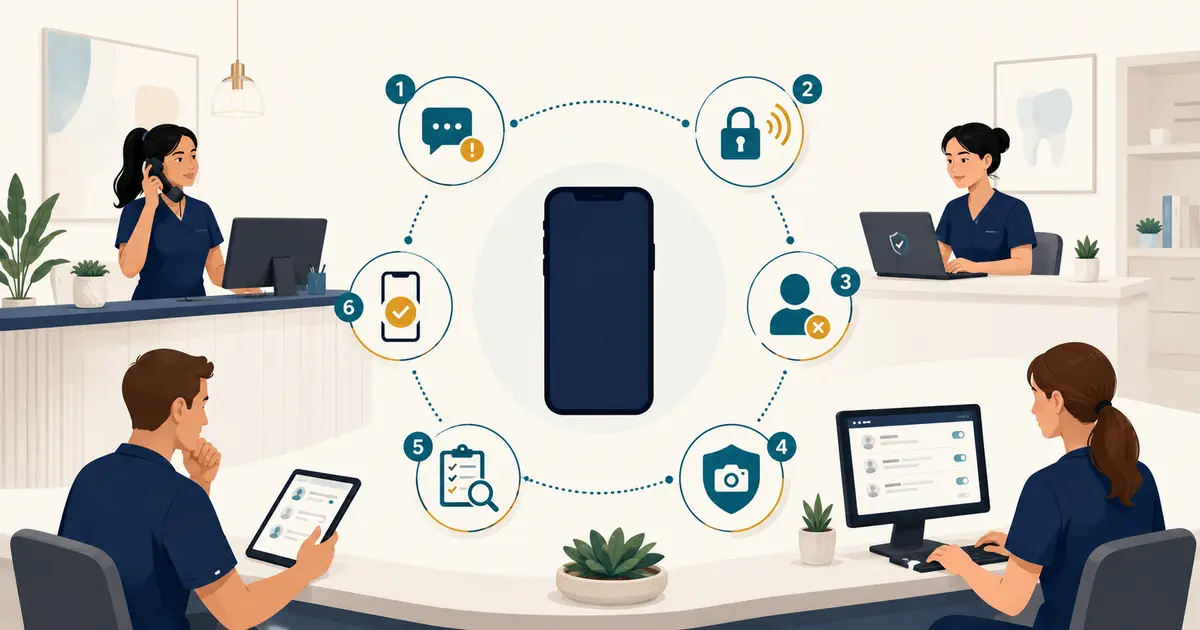
Respond to a lost or stolen dental work phone by reporting quickly, revoking access, preserving evidence, assessing data and notification duties, and restoring safely.
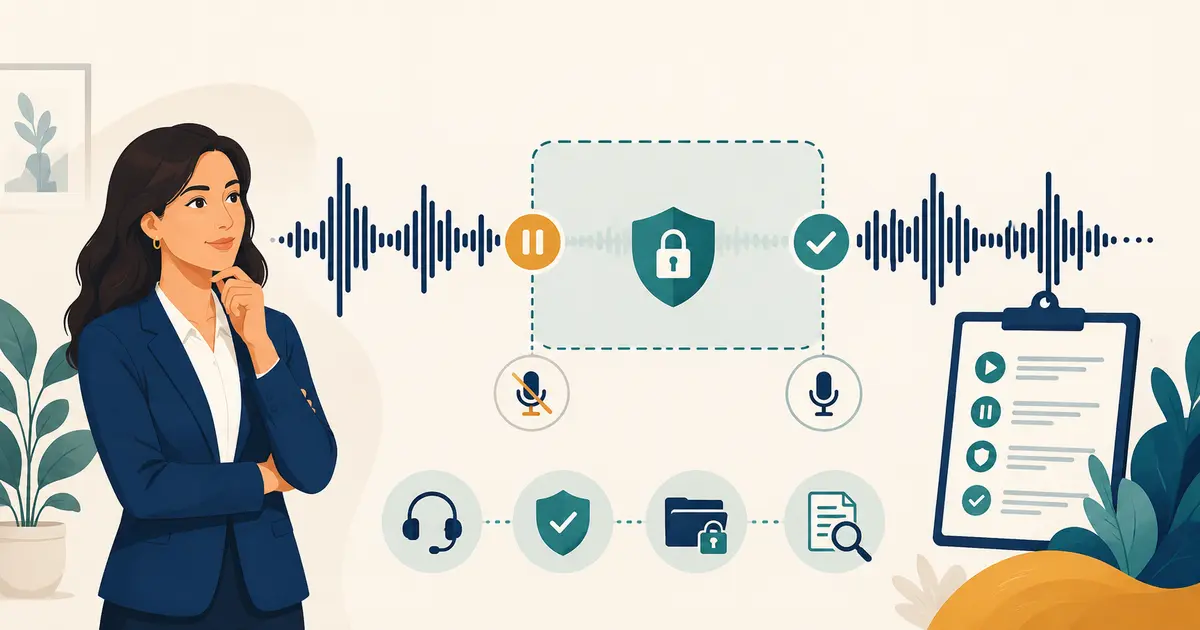
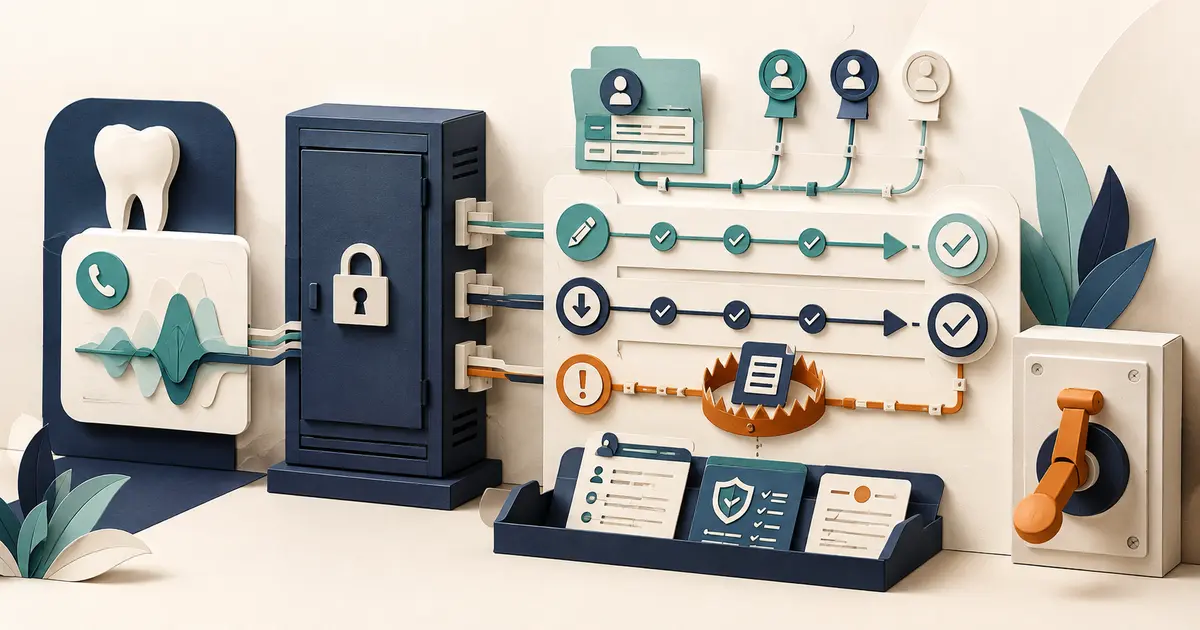
Use a dental call recording pause-and-resume checklist for sensitive data, verified controls, failure handling, quality review, and qualified legal and PCI guidance.
Create a dental phone system admin succession plan with named roles, individual access, recovery custody, provider verification, drills, and clean offboarding.
Write a dental phone quality trouble ticket with exact timestamps, call direction, endpoints, symptoms, scope, test results, and privacy-aware evidence.
Create a dental language assistance handoff for identifying needs, using qualified services, briefing interpreters, protecting privacy, and closing follow-up.
Use a dental call notes template that captures verified identity, stated reason, facts, ownership, next action, timing, and outcome without unnecessary detail.
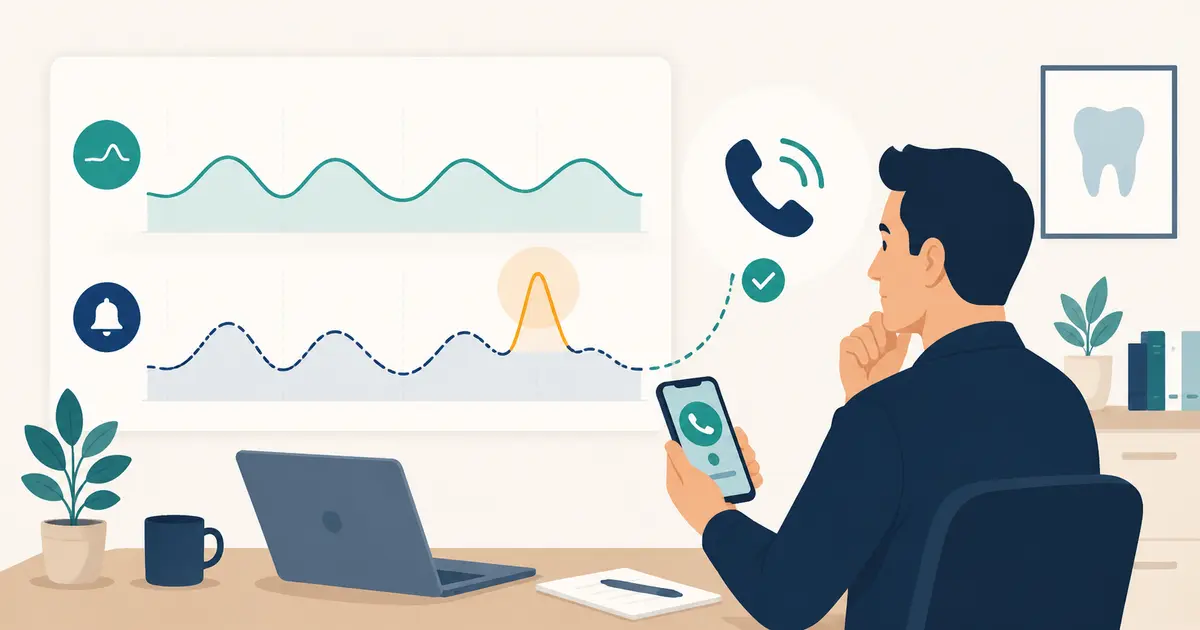
Design a dental call volume anomaly alert from the practice's own baseline, with comparable time windows, minimum volume, confirmation, and response rules.
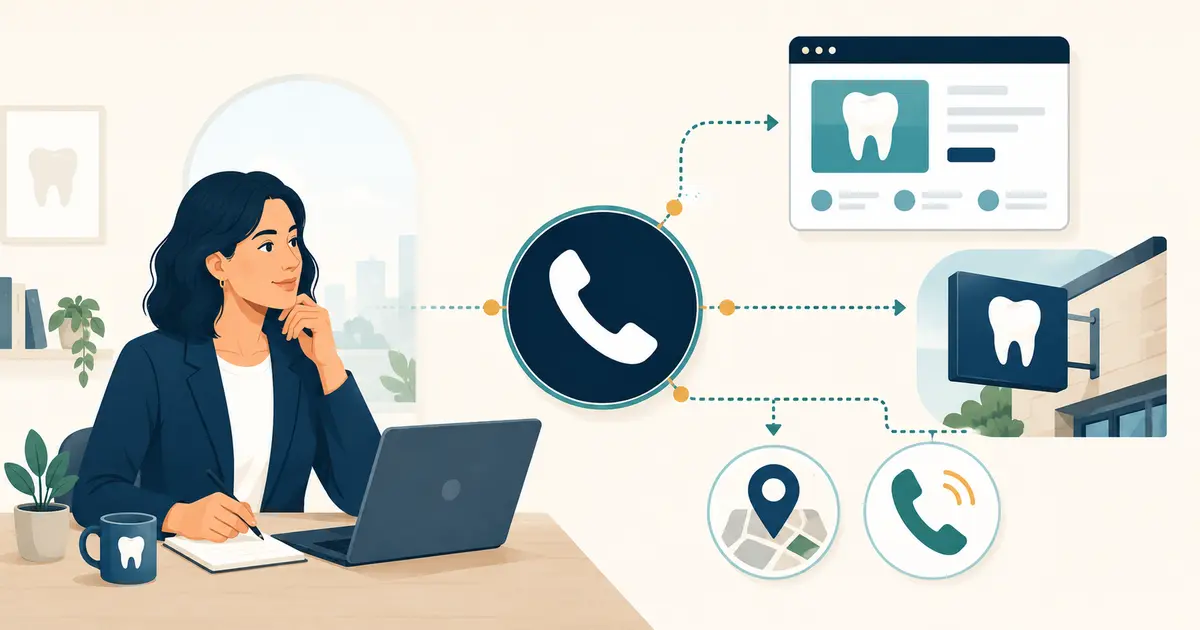
Launch a dental office phone number in a controlled order: verify ownership, test routes, update public listings, monitor old paths, and correct mismatches.
Create a dental caller complaint log that preserves facts, assigns recovery, separates clinical and legal review, and verifies corrective action and closure.
Set a dental front desk personal device policy for approved apps, access, screen privacy, local storage, notifications, support, loss, and offboarding.
Set a dental office softphone policy before opening: approve devices and networks, control access, validate emergency calling, and define support boundaries.
Run a dental phone system acceptance test across numbers, inbound and outbound calls, voicemail, forwarding, transfers, outages, permissions, accessibility, evidence, and rollback.
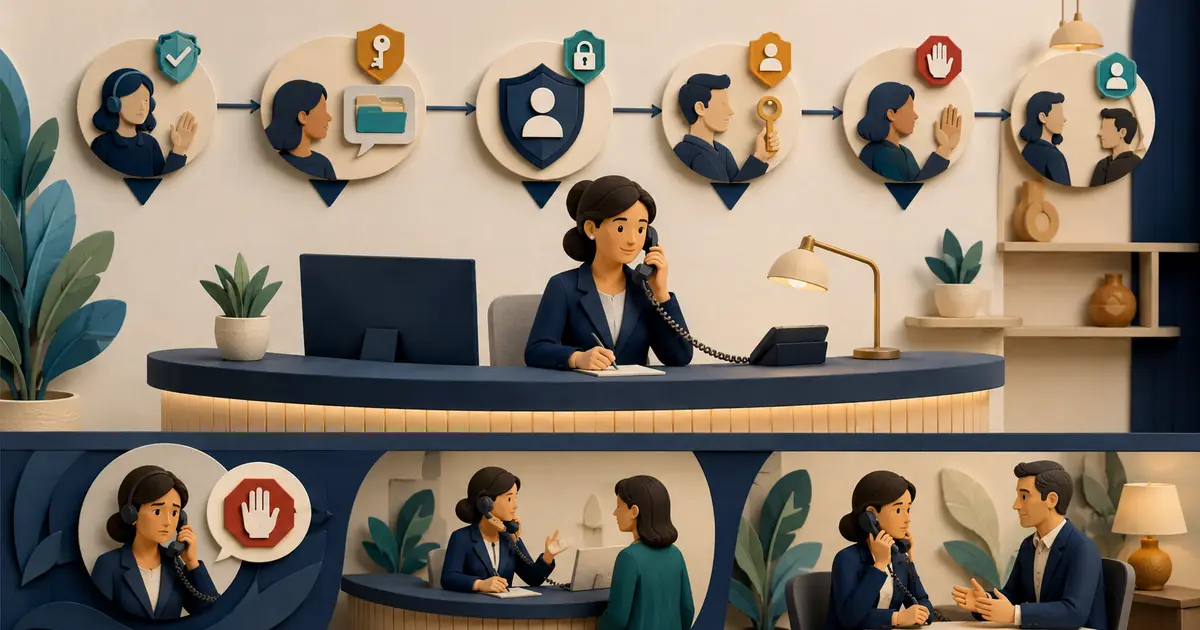
Use a risk-based dental patient identity verification phone protocol for public information, administrative requests, sensitive disclosure, representatives, failures, and escalation.
Build dental call reason codes that describe why a caller contacted the office without confusing intent with contact, resolution, or appointment outcomes.
Use a dental callback number confirmation script to read back digits, extensions, preferred times, shared-phone limits, corrections, and a privacy-safe closing.
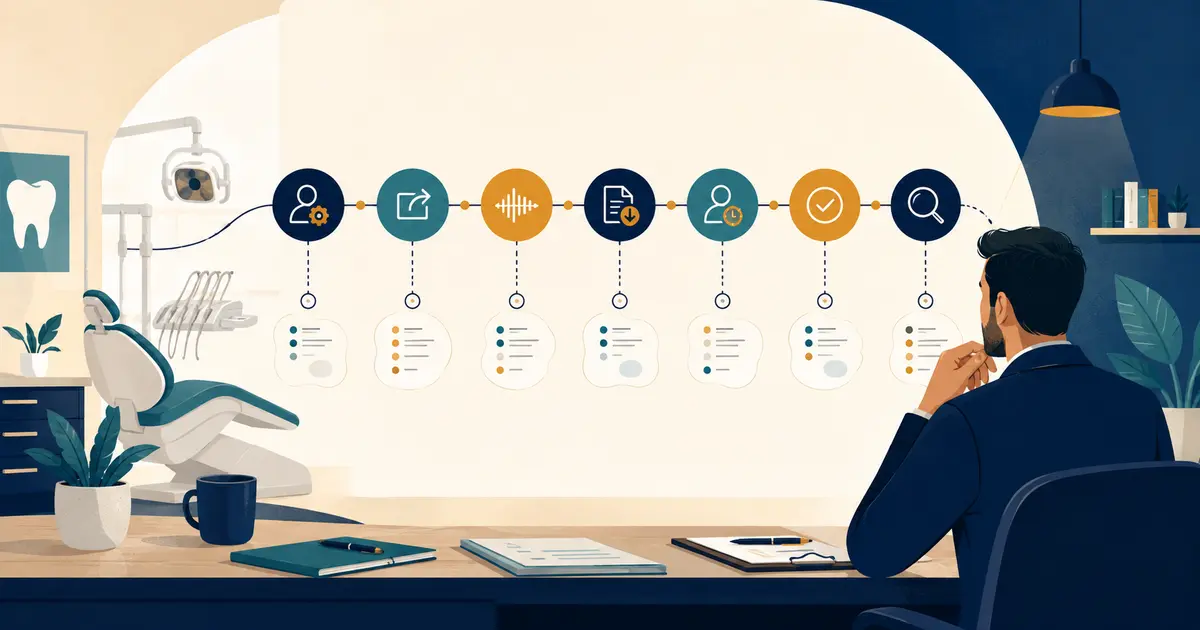
Test dental call data export before signing or leaving a vendor, including call records, configurations, users, audit history, recordings, handoffs, formats, and deletion.
Use dental phone routing change management to request, review, test, release, monitor, and roll back number, queue, schedule, forwarding, and voicemail changes.
Use a dental office hold message that asks permission, returns with an update, offers a realistic alternative, protects privacy, and supports accessible communication.
Audit dental phone system access across administrators, agents, shared credentials, integrations, recordings, exports, support access, recovery methods, and offboarding.
Use a concise dental front desk shift handoff to reconcile open calls, named owners, due times, privacy limits, duplicate records, exceptions, and confirmed closure.
Run a dental office VoIP quality test for latency, jitter, packet loss, one-way audio, Wi-Fi, concurrent traffic, failover, monitoring, and provider escalation.
Set up and test a dental office caller ID name with provider-specific CNAM registration, accurate business identity, controlled outbound numbers, and realistic expectations.
Respond when a dental office phone number is marked spam: confirm the label, contain risky calling patterns, work with the carrier, register identity, and monitor results.
Train dental front desk teams to pause, verify, and escalate phone scams involving impersonation, urgent payments, credentials, remote access, and spoofed caller ID.
Build dental call disposition codes that separate contact, request type, handoff, and final outcome so owners can compare performance without hiding unknowns.
Review a dental phone system SLA for measurable availability, support, restoration, maintenance, incident evidence, data access, credits, escalation, and contract exit.
Compare an AI vs. human dental receptionist by task, assigning automation, human, or shared responsibility based on judgment, authority, privacy, and exceptions.
Audit dental marketing missed calls from ad click and call routing through answer coverage, inquiry capture, follow-up ownership, outcomes, and corrective action.
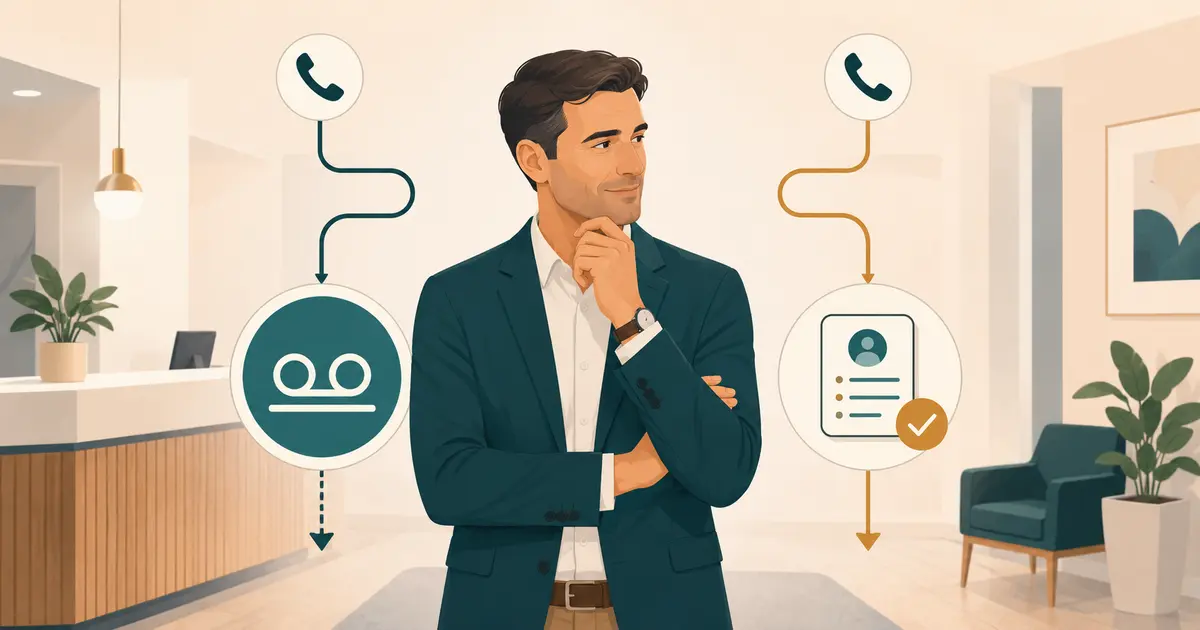
Replace dental office voicemail through a staged migration with routing tests, active fallback, ownership, staff training, monitoring, patient communication, and rollback.
Compare local and toll-free dental phone numbers across patient familiarity, ownership, routing, marketing attribution, continuity, and administrative control.
Turn patient expectations when calling a dentist into measurable standards for greeting, listening, clarity, privacy, ownership, callbacks, and closure.
Compare building or buying a dental office missed-call solution across coverage, workflow ownership, privacy, reporting, resilience, cost, and exit options.
Estimate the cost to hire a dental receptionist using local wages, payroll burden, benefits, recruiting, training, equipment, coverage, and supervision.
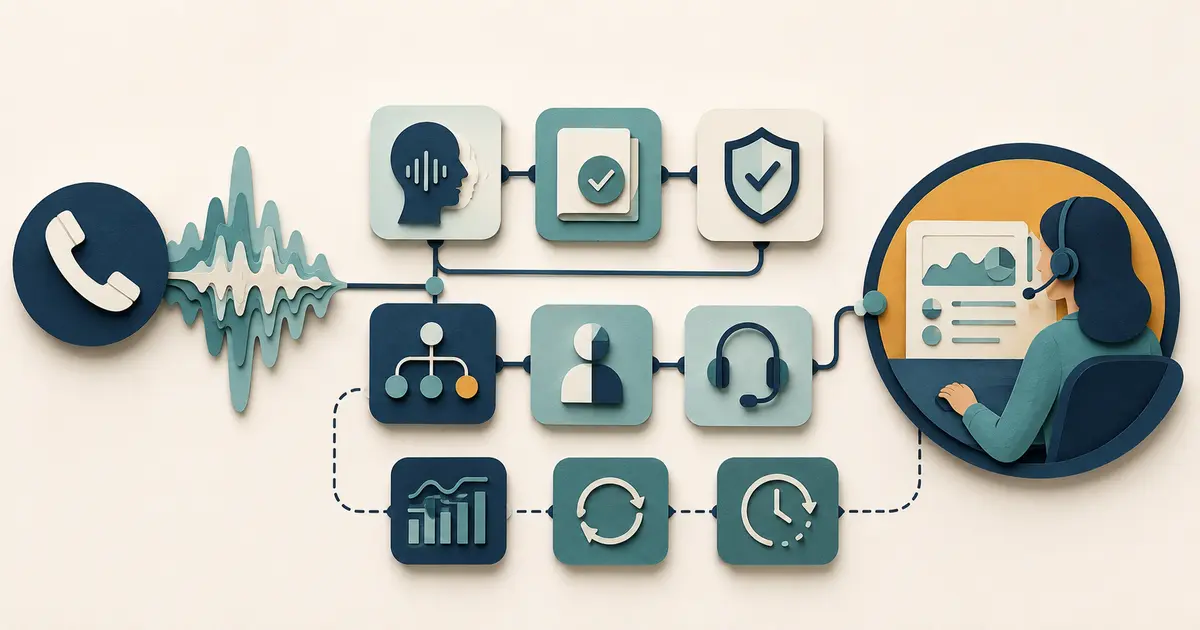
Create a dental office call center QA program with representative sampling, a behavior-based rubric, calibration, corrective action, and privacy controls.
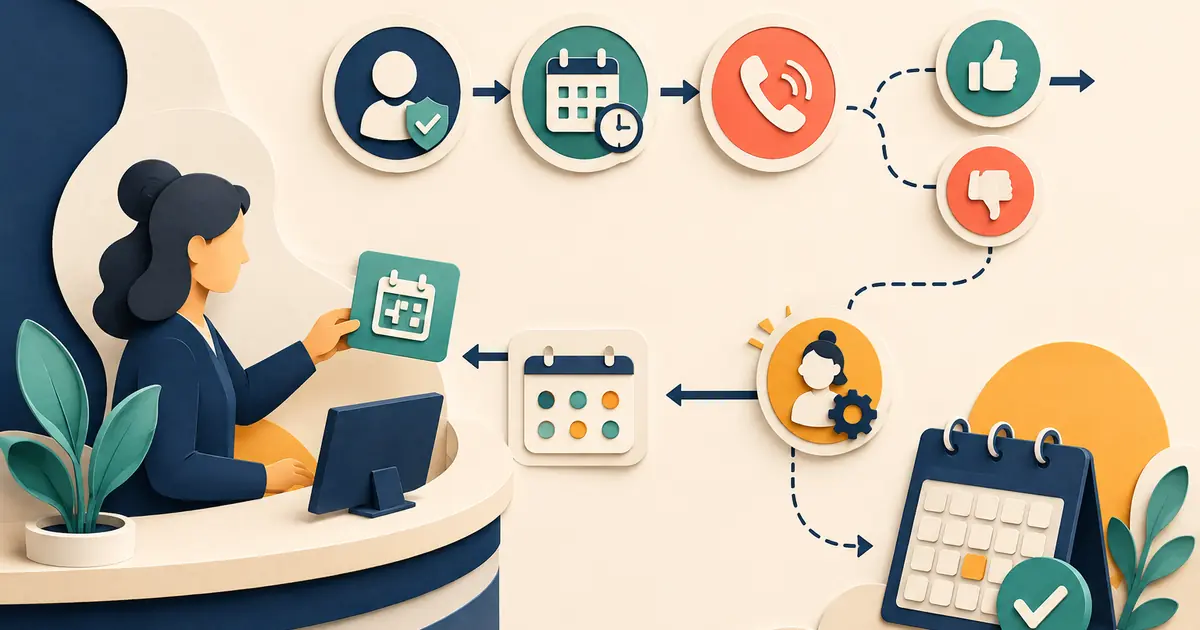
Use a controlled dental schedule gap recovery workflow to validate an opening, contact eligible patients, confirm with staff, prevent double-booking, and record the outcome.
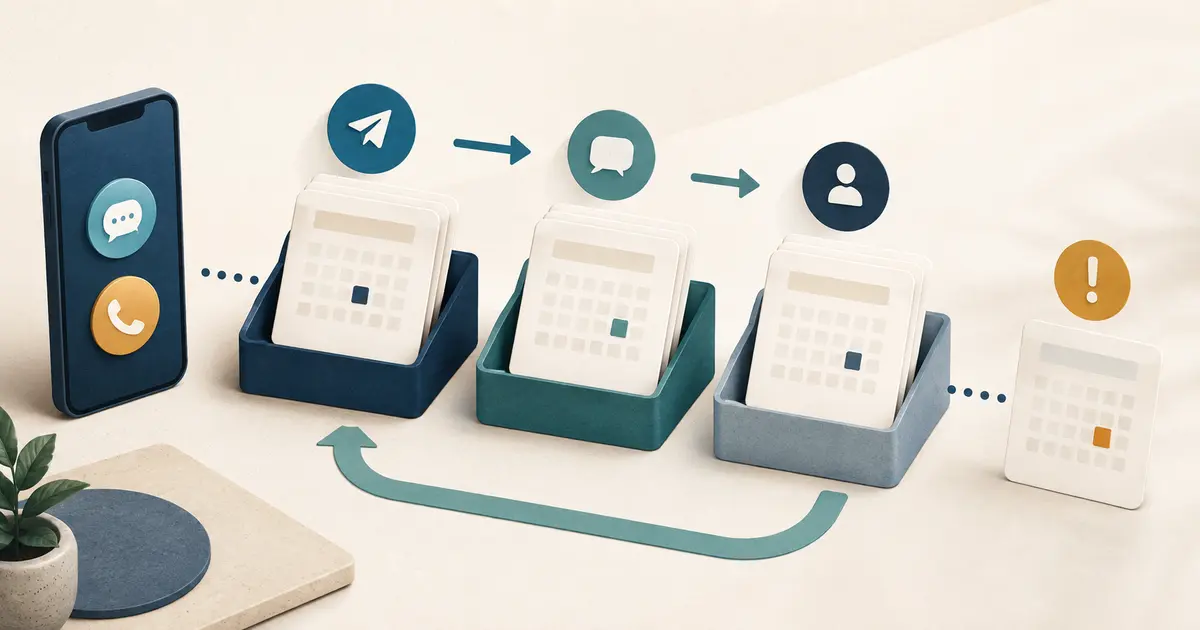
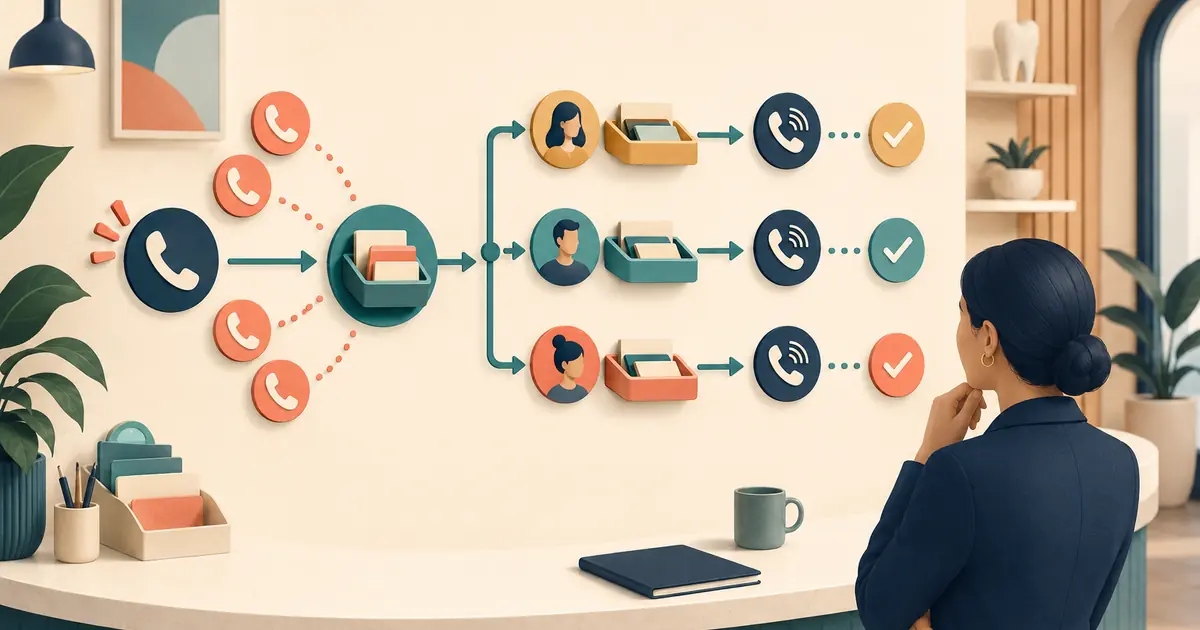
Create dental missed-call follow-up rules for prioritization, callback and text attempts, opt-out, duplicate control, voicemail, ownership, and closure.
Build a dental appointment conversion benchmark from your own eligible inquiries, confirmed bookings, completed visits, exclusions, cohorts, and capacity.
Write a dental front desk job description that defines phone ownership, handoffs, decision limits, privacy, coverage, training, and measurable outcomes.
Build a dental voice bot failure plan for silence, latency, wrong answers, loops, dropped calls, missing summaries, human escalation, and safe recovery.
Govern centralized scheduling for dental groups with an authority matrix, location facts, exception routing, access control, reconciliation, and local override.
Evaluate a missed-call texting service for dentists by trigger accuracy, consent, sender identity, opt-out, duplicates, delivery, ownership, and failure handling.
Track Google Ads calls for a dental practice from the ad interaction through eligible inquiry, staff follow-up, confirmed appointment, and completed outcome.
Audit dental front desk productivity by mapping demand, interruptions, handoffs, rework, protected work blocks, and service tradeoffs over a normal week.
Use a dental appointment scheduling phone script that captures the request, confirms known details, and separates preferences from booked appointments.
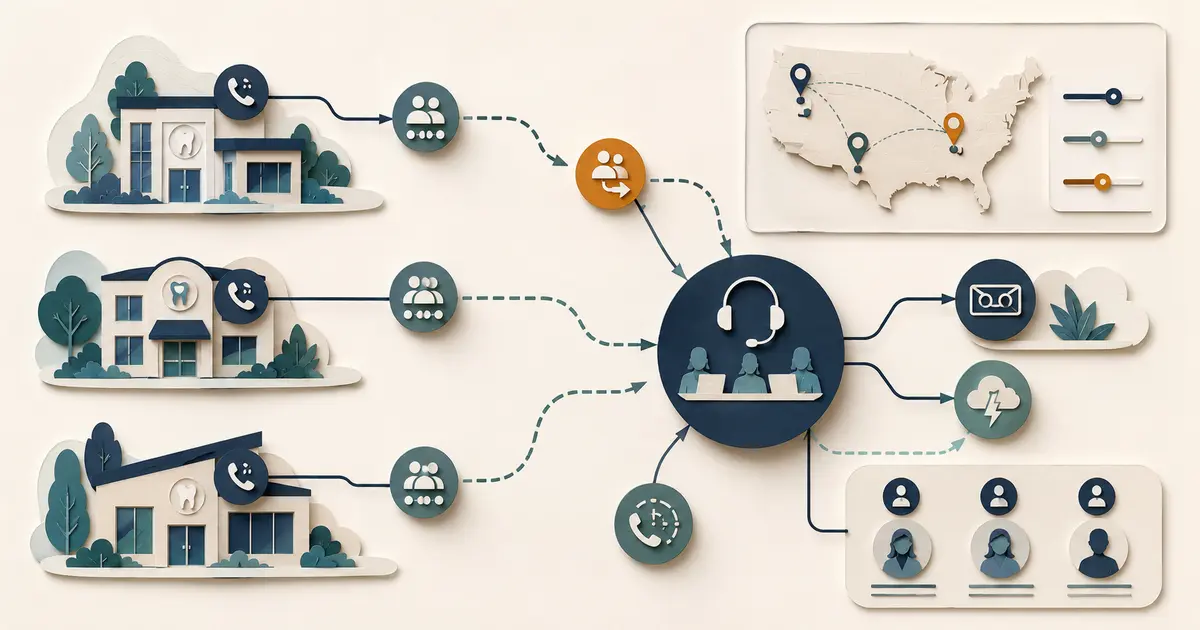
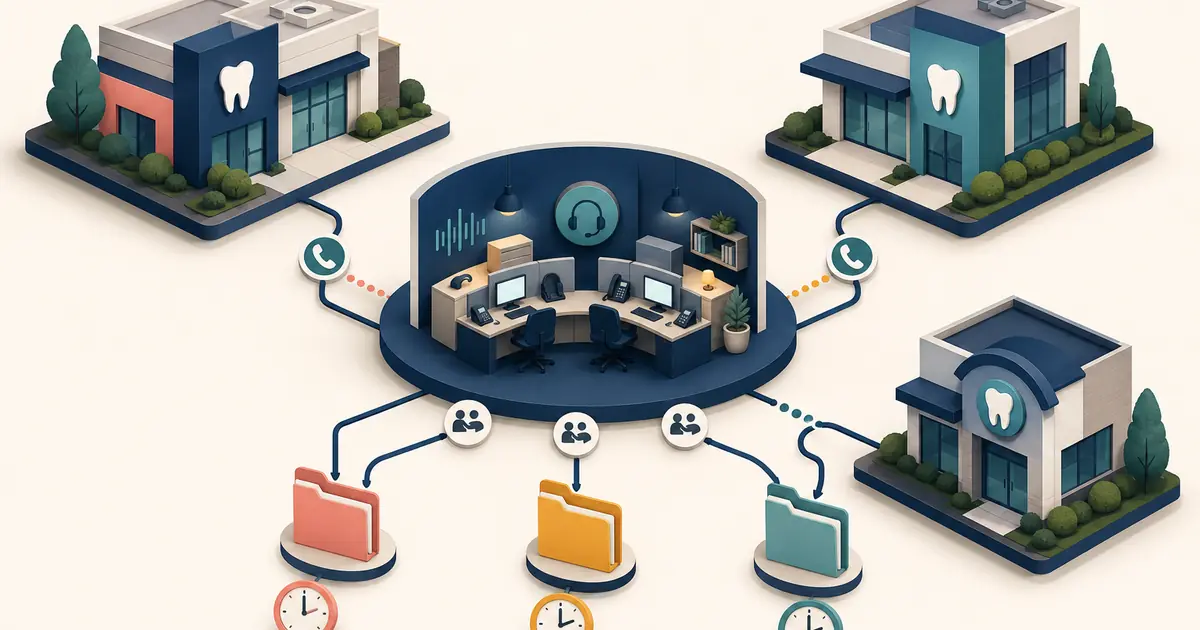
Specify a multi-location dental phone system with clear identity, hours, queues, overflow, transfers, local authority, outages, reporting, privacy, and exit.
Test patient acceptance of AI receptionists through transparency, comprehension, correction, accessibility, preference, escalation, handoffs, and real evidence.
Estimate the value of a new dental patient with practice cohorts, collections, variable costs, retention, time periods, attribution, uncertainty, and scenarios.
Use dental patient text message examples for requests, confirmations, changes, waits, callbacks, failures, wrong numbers, and opt-outs without overpromising.
Build DSO missed-call management with shared definitions, location routing, central standards, local ownership, privacy, exceptions, metrics, and recovery.
Specify a prosthodontist answering service for complex-treatment inquiries, referrals, laboratories, records, postoperative calls, privacy, and staff follow-up.
Plan a cosmetic dentistry answering service for consultation goals, general service questions, photos, fees, financing, scheduling requests, and safe handoffs.
Verify an AI receptionist for Open Dental by checking the approved integration method, exact permissions, transactions, errors, security, audit logs, and exit.
Evaluate an AI receptionist for Eaglesoft by checking versions, API setup, vendor activation, permissions, transactions, errors, security, logs, and exit.
Evaluate voice AI for dental practices across speech, knowledge, policy, integrations, routing, handoffs, privacy, testing, monitoring, failures, and rollback.
Choose dental new-patient intake questions that clarify the caller's request, support the next step, limit unnecessary data, and avoid diagnosis or promises.
Plan a periodontist answering service around referral, consultation, hygiene, implant, postoperative, urgent-call, privacy, and front desk handoff workflows.
Control dental appointment rescheduling AI with states, permissions, identity checks, collision tests, confirmations, exceptions, recovery, and audits.
Use dental office call handling best practices to standardize greetings, listening, holds, documentation, escalation, callbacks, privacy, and final ownership.
Build a dental scheduling workflow with distinct request, review, offer, hold, confirmation, change, cancellation, waitlist, exception, and closure states.
Plan a virtual receptionist for a dental office by defining the service model, call scope, authority, data access, handoffs, testing, and launch controls.
Test an AI phone answering service for dental offices with realistic calls, approved facts, corrections, boundaries, handoffs, failure cases, and evidence.
Evaluate a HIPAA-compliant dental answering service by mapping roles, data flows, safeguards, contracts, access, retention, incidents, and vendor exit.
Evaluate dental emergency answering by separating message capture and escalation from diagnosis, urgency decisions, treatment advice, and clinical judgment.
Build dental phone lead follow-up with an eligible queue, accurate request states, channel preferences, staff ownership, attempts, closure, and measurement.
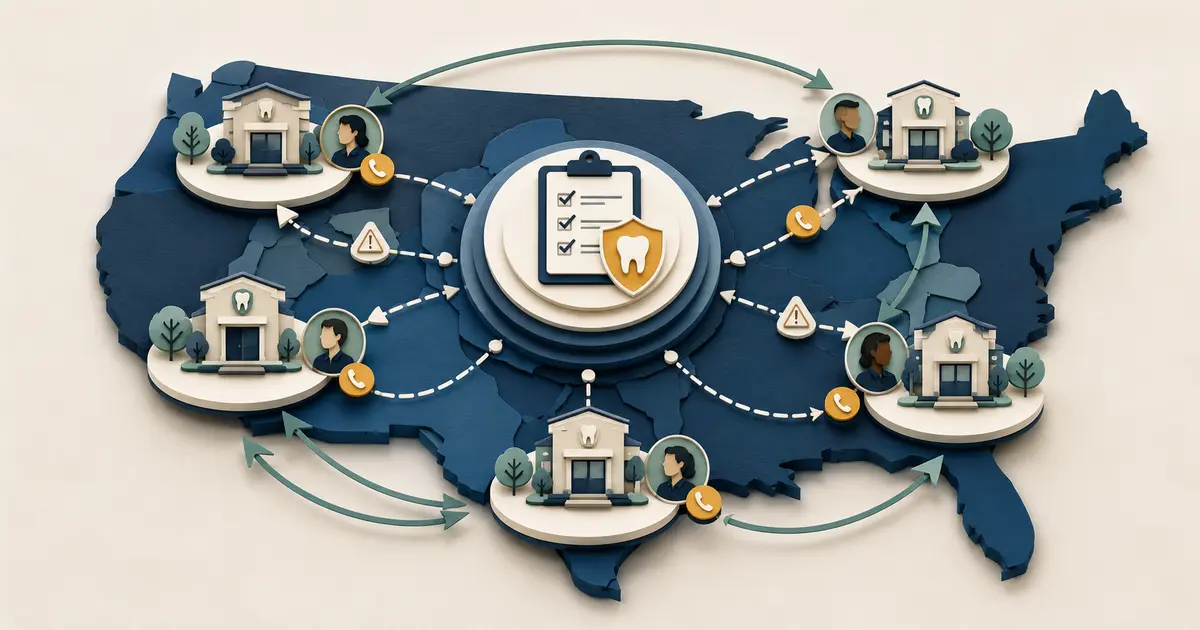
Govern multi-practice dental call coverage with shared standards, location facts, local authority, escalation, privacy, vendor access, outages, and reporting.
Evaluate dental insurance verification and AI by defining eligibility and benefit fields, sources, timestamps, authority, exceptions, wording, and audits.
Evaluate AI dental appointment scheduling by mapping request and booking states, permissions, rules, identity, collisions, failures, staff review, and rollback.
Use a missed-call text template that identifies the practice, limits detail, avoids booking claims, sets next steps, handles replies, and assigns ownership.
Evaluate an outbound dental recall service by defining eligible lists, consent, scripts, identity, clinical limits, outcomes, privacy, ownership, and audits.
Plan an endodontist answering service around referral context, office facts, pain-call handoffs, after-hours escalation, privacy, failures, and staff review.
Compare AI receptionist vs. employee cost with a transparent dental practice model covering roles, loaded labor, software, oversight, risk, and capacity.
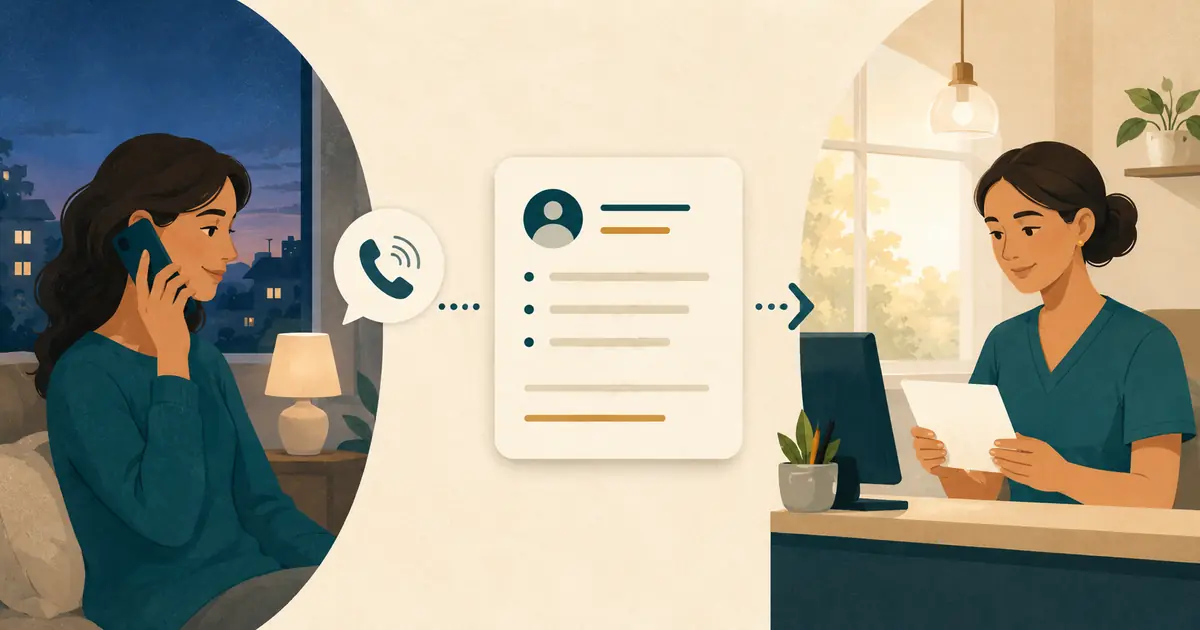
Plan after-hours new-patient calls before opening with truthful office facts, non-clinical intake, request states, next-day ownership, escalation, and testing.
Build accessible dental phone communication with relay and interpreter support, patient preferences, alternate channels, trained staff, privacy, and review.
Handle same-day dental appointment requests with accurate status language, minimal intake, staff-owned availability, escalation, privacy, and reconciliation.
Evaluate HIPAA-compliant texting for dental offices through purpose, data flow, safeguards, BAAs, identity, access, retention, patient requests, and incidents.
Plan dental office AI automation by inventorying tasks, defining authority, testing failures, assigning human review, securing access, and measuring outcomes.
Use secure messaging for dental offices with channel rules, identity checks, minimum necessary content, role access, retention, exception handling, and audits.
Use dental waitlist automation with eligibility rules, fair offer order, expiring holds, collision controls, staff approval, privacy, and final confirmation.
Evaluate a bilingual dental answering service by verifying languages, interpreter qualifications, approved scripts, escalation, privacy, testing, and reporting.
Plan a pediatric dental answering service around guardian context, office facts, after-hours escalation, accessibility, privacy, and staff-owned follow-up.
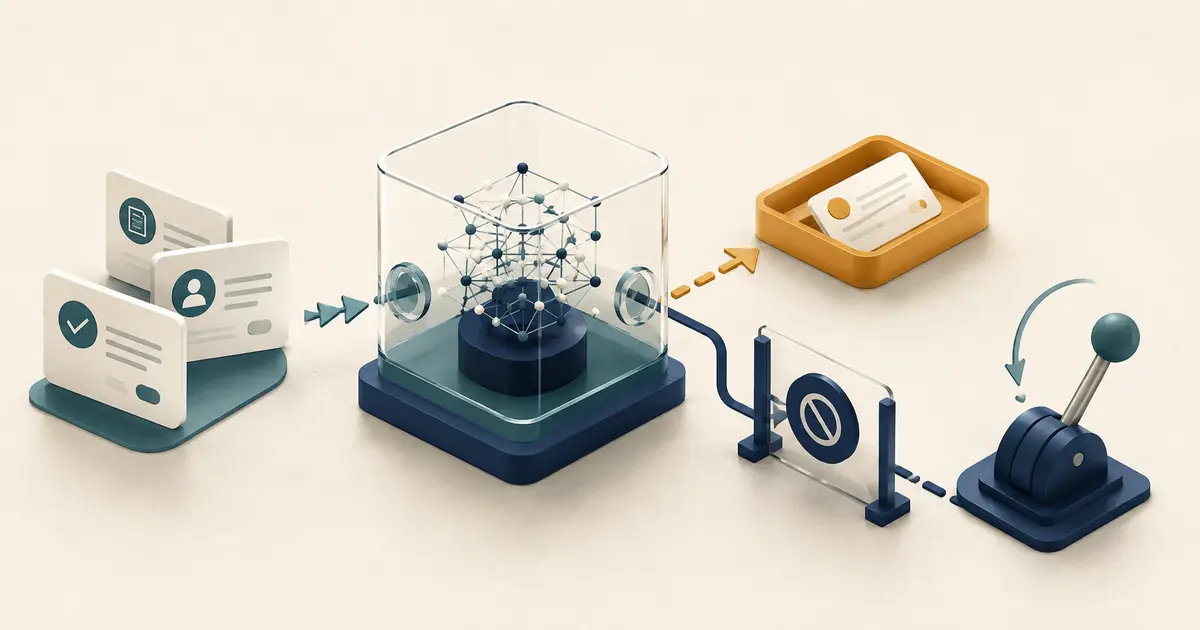
Control dental AI hallucinations with a narrow knowledge source, blocked topics, uncertainty language, staff escalation, testing, monitoring, and rollback.
Choose a dental phone system with texting by testing number ownership, routing, consent, privacy, outages, roles, records, and vendor exit before opening.
Manage a dental front desk staffing shortage with workload triage, call coverage, cross-training, access controls, escalation, and a measured recovery plan.
Handle new and existing patient calls with separate identity, intake, privacy, scheduling, documentation, and handoff rules that keep every request accurate.
Evaluate an answering service for orthodontists by testing office facts, location routing, appliance messages, after-hours handoffs, privacy, and follow-up.
Evaluate an AI receptionist for Dentrix by verifying versions, API authorization, read and write scope, identity matching, failures, security, and rollback.
Use a dental appointment request text template that confirms receipt without implying booking, limits details, assigns follow-up, and handles replies safely.
Set a dental office callback time standard with request classes, named owners, truthful status language, escalation, privacy safeguards, and daily review.
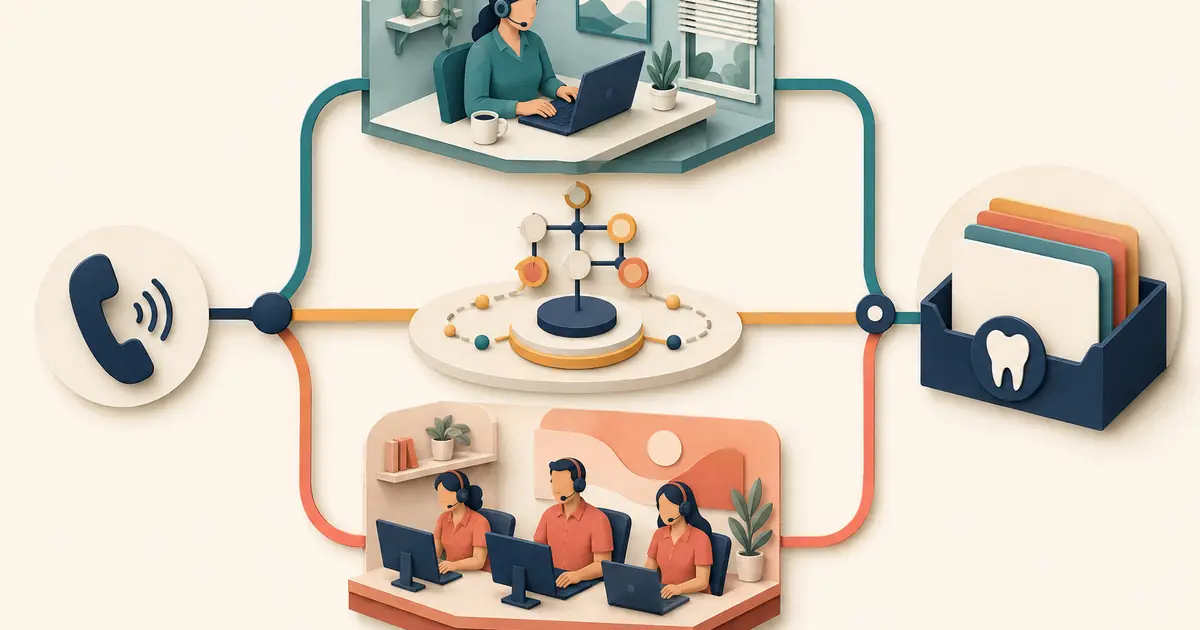
Compare a dental answering service vs. call center by scope, staffing, call direction, authority, records, quality controls, pricing, and practice ownership.
Weigh AI receptionist pros and cons for a dental practice through coverage, consistency, handoffs, patient access, privacy, failure risk, and human oversight.
Protect patient privacy on dental calls and voicemail with identity checks, minimum disclosure, private work areas, approved messages, and access controls.
Use dental patient texting best practices for consent, channel choice, identity, minimum information, two-way ownership, opt-outs, records, and failed delivery.
Use a dental AI receptionist onboarding plan to define scope, approve facts, test calls, train staff, stage routing, monitor defects, and preserve rollback.
Use dental office phone greeting examples for normal, busy, transfer, callback, accessibility, and uncertain situations while keeping promises accurate.
Review HIPAA and dental answering services with a BAA checklist for vendor roles, permitted uses, safeguards, subcontractors, incidents, and termination.
Plan AI in dental practices by separating administrative assistance from clinical judgment, assigning owners, testing risks, and preserving patient options.
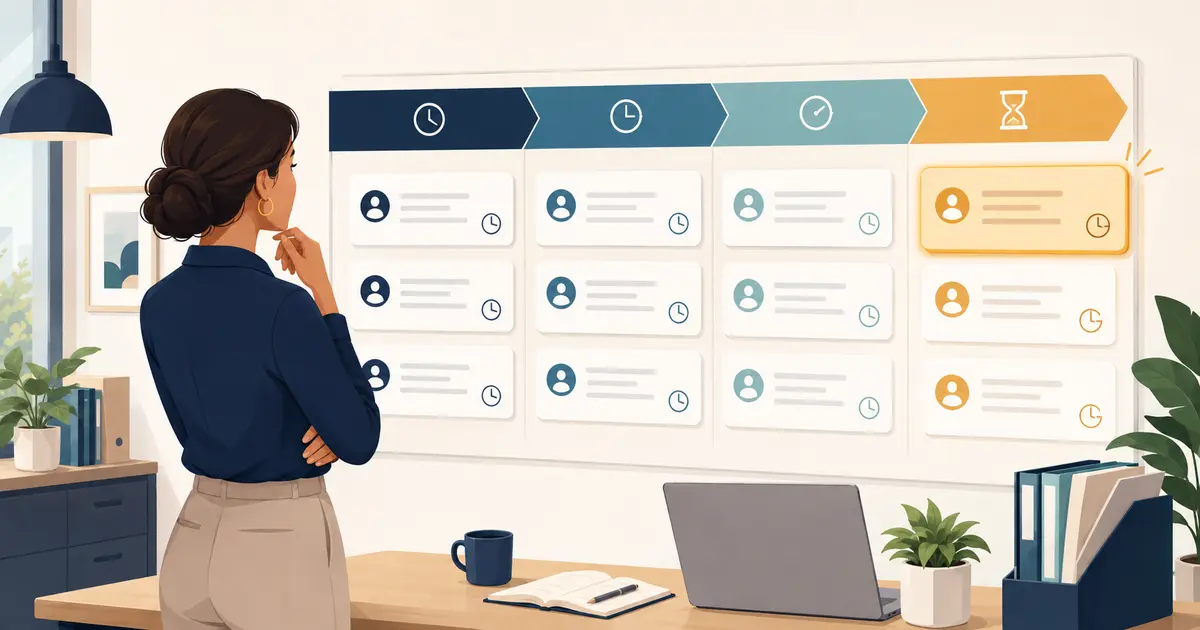
Measure dental call abandonment and hold time with clear definitions, internal baselines, call-state review, recovery ownership, and balanced quality checks.
Port a dental office phone number with an inventory, provider confirmations, staged tests, rollback ownership, and safeguards for every published channel.
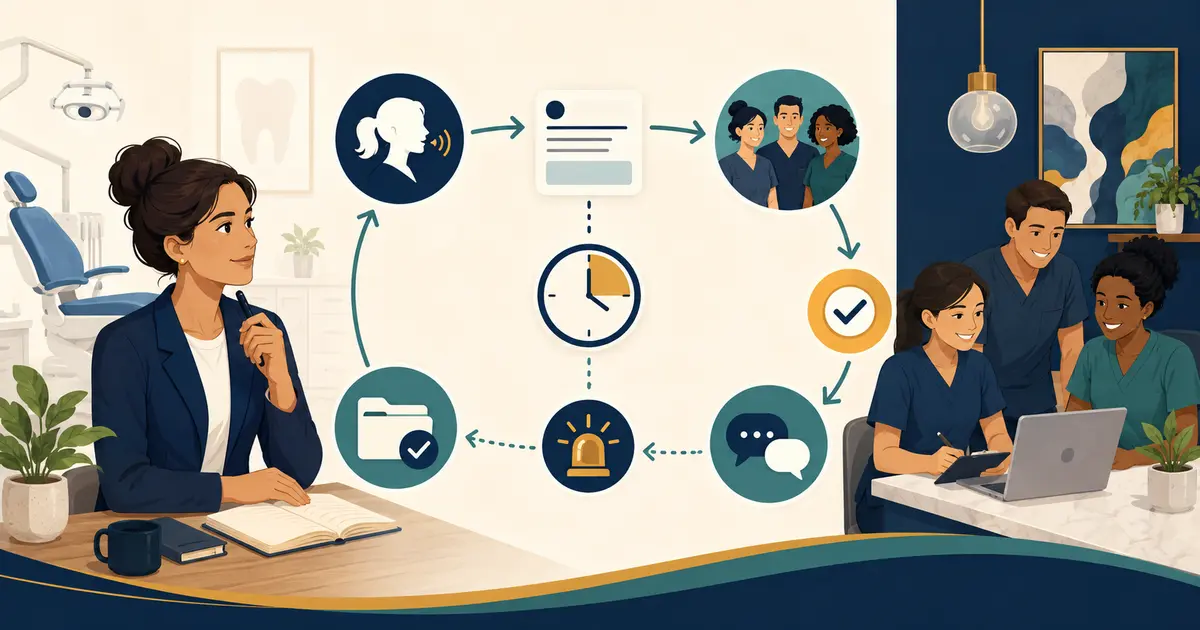
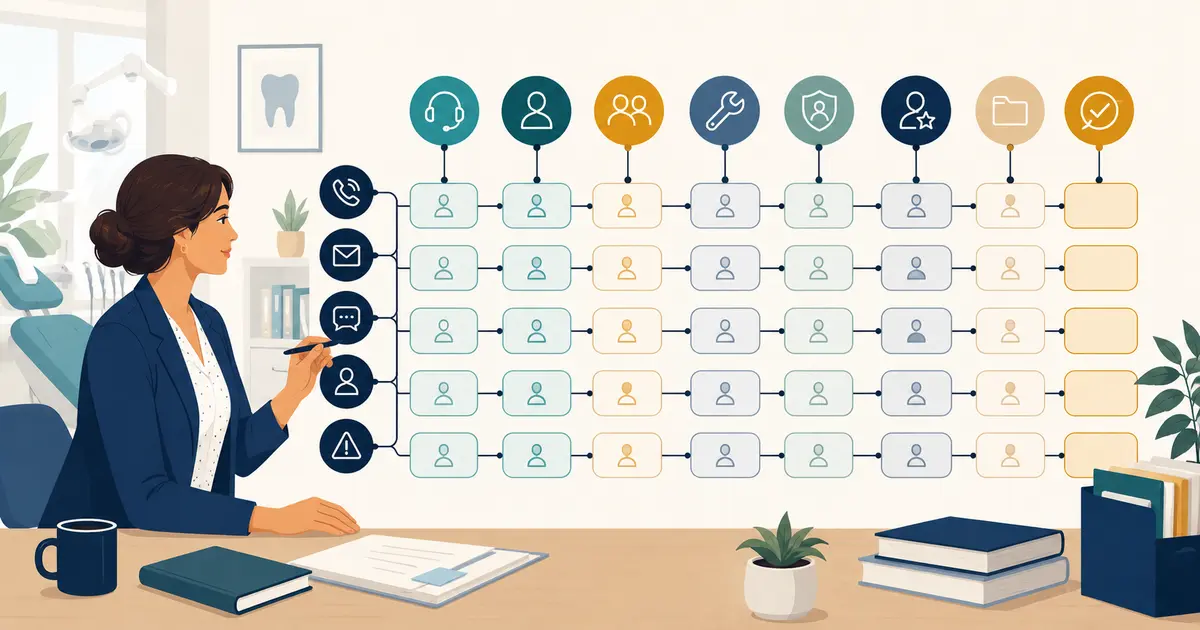
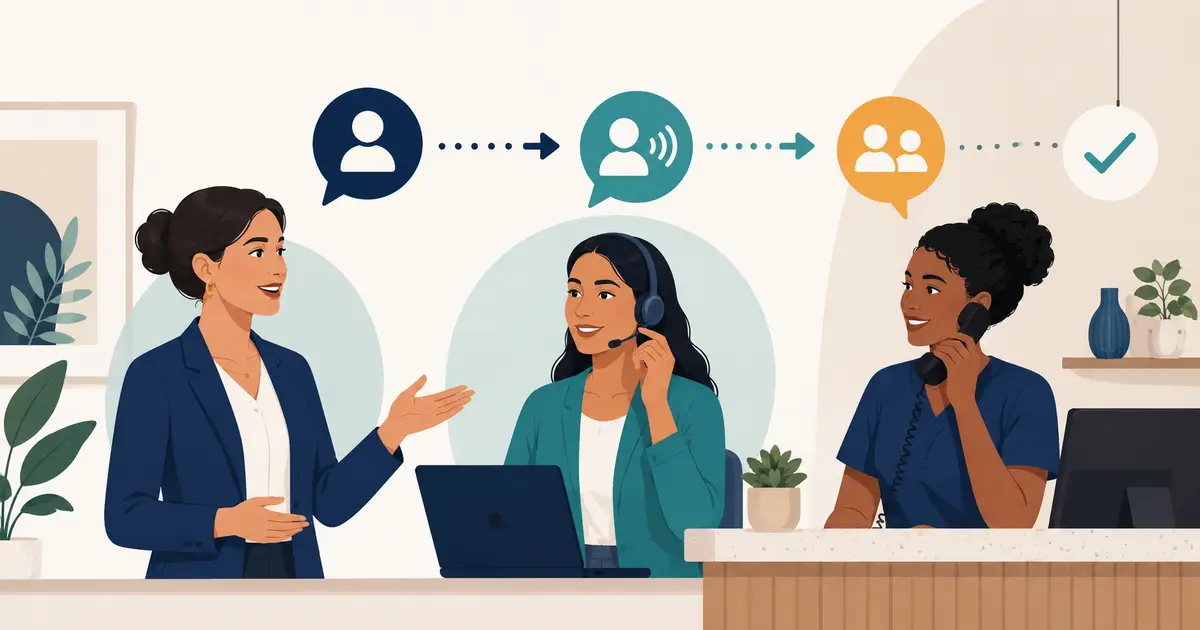
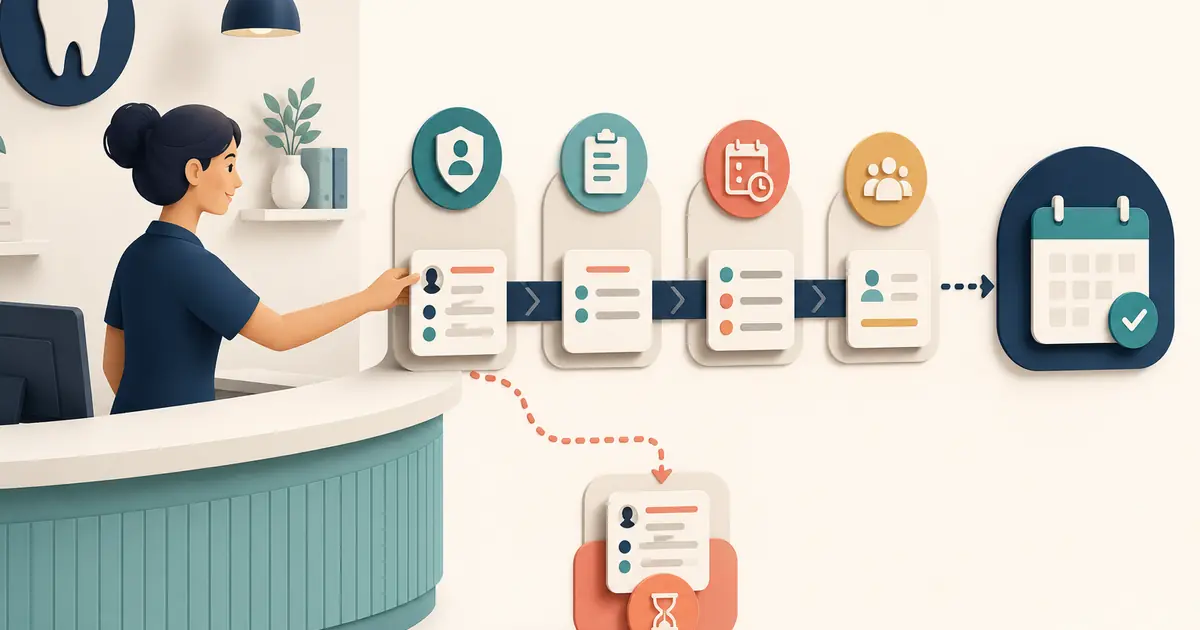
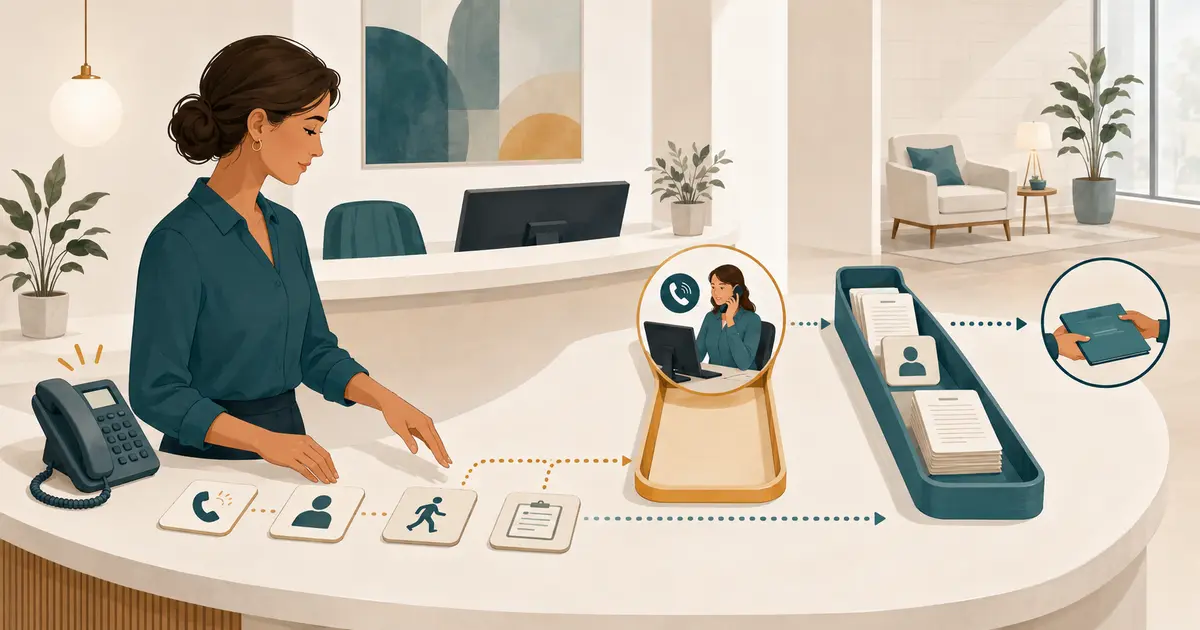
Build a dental front desk workflow that defines call states, owners, handoffs, documentation, exceptions, and daily reconciliation without losing requests.
Design a dental emergency answering workflow that captures requests, follows approved language, reaches the right on-call owner, and avoids clinical triage.
Evaluate AI receptionist dental software through role boundaries, factual controls, call recovery, staff handoffs, privacy, reporting, and launch evidence.
Choose a dental appointment answering service by defining request capture, booking authority, schedule safeguards, confirmation, privacy, and fallback.
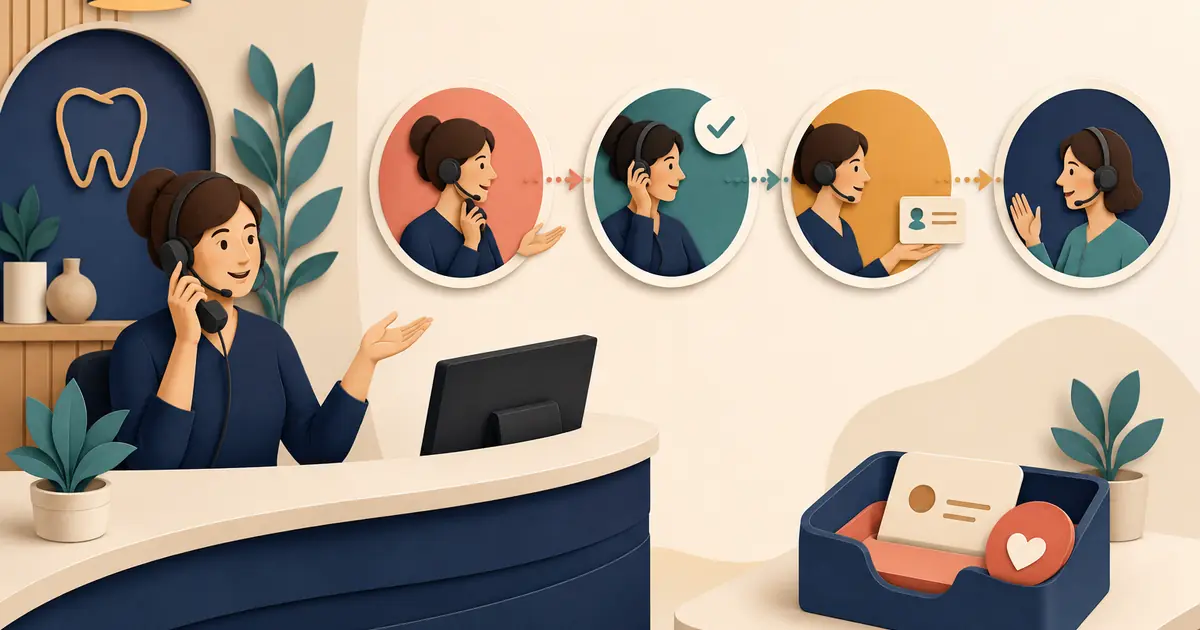
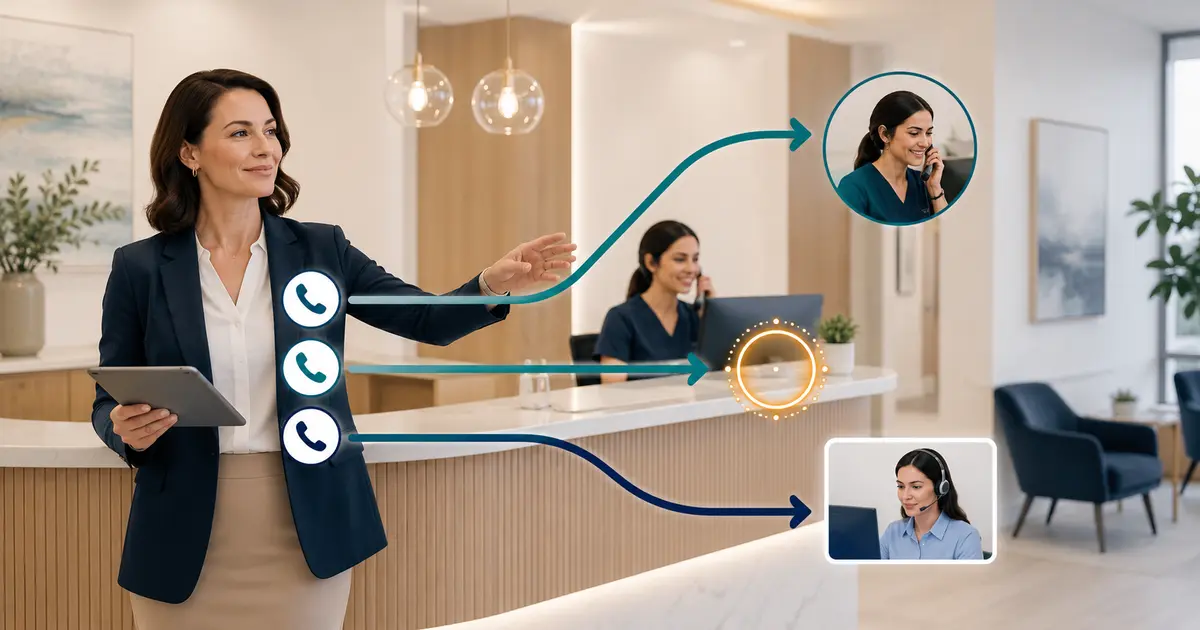
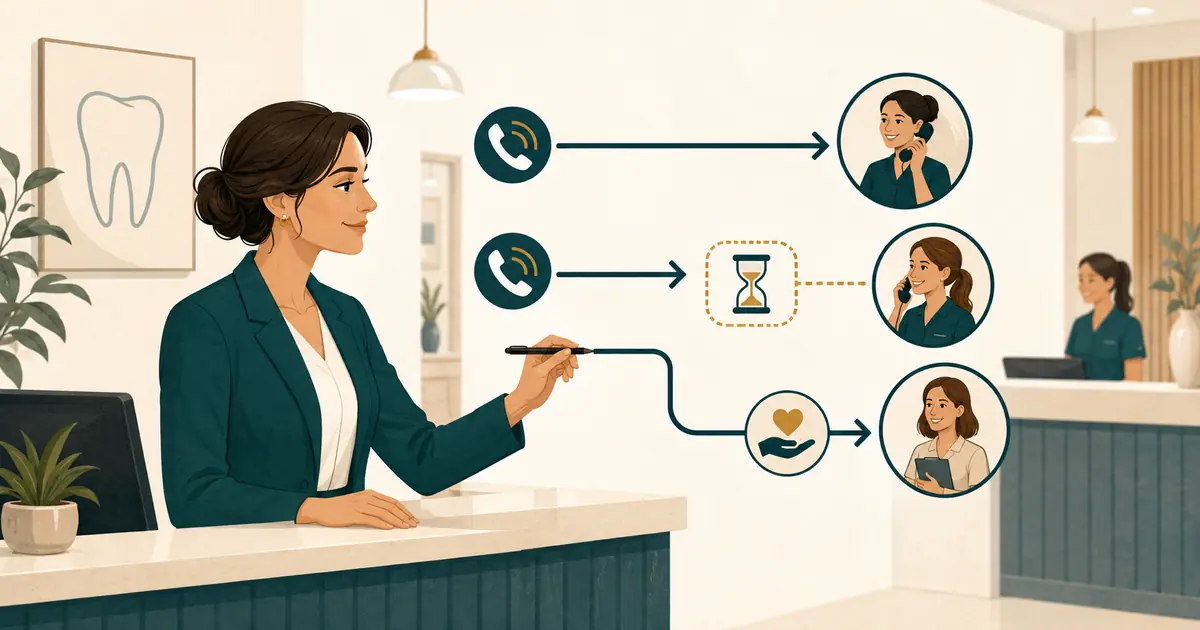
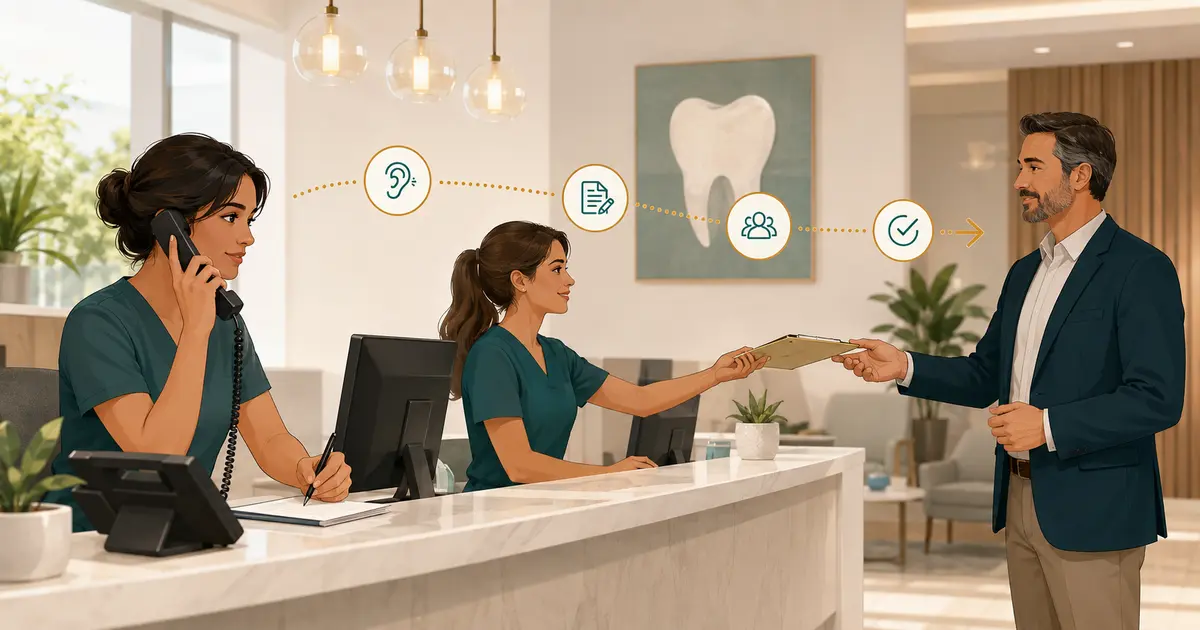
Use dental call transfer best practices to explain the handoff, verify the destination, share minimum context, recover failures, and document ownership.
Run a dental AI receptionist demo with realistic call scenarios, clear pass criteria, safe boundaries, handoff tests, and documented follow-up ownership.
Use a dental appointment confirmation call script that verifies the right details, protects privacy, records the response, and routes changes to an owner.
Add AI answering to a dental office phone workflow without replacing staff by assigning narrow call conditions, human owners, safeguards, and pilot measures.
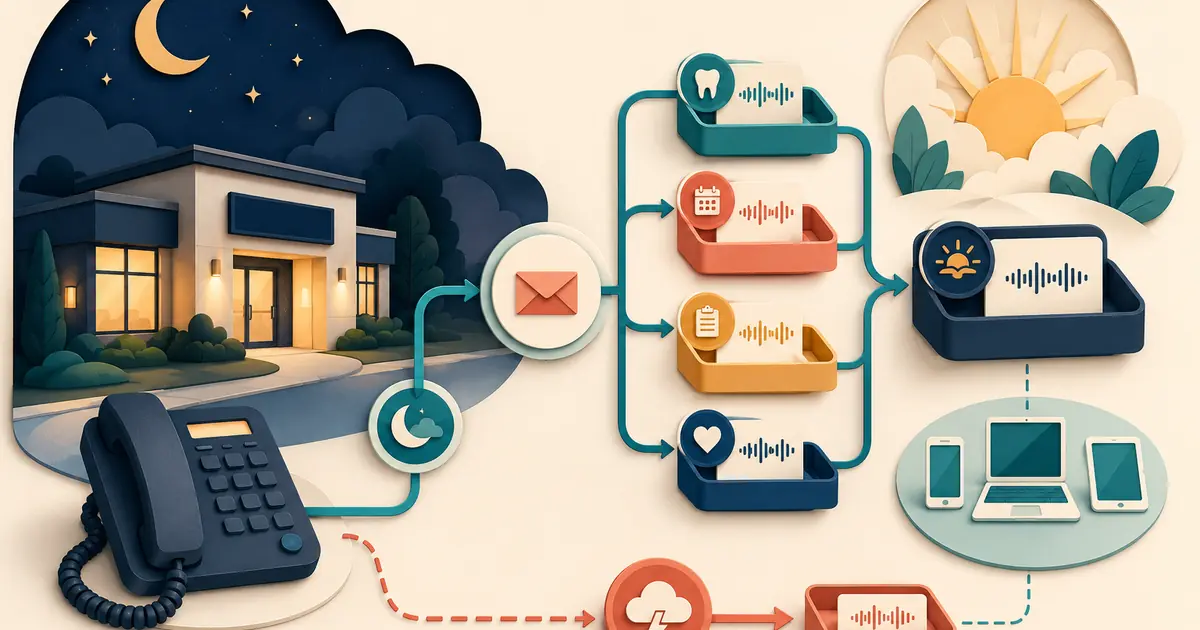
Plan a dental office voicemail system with clear mailbox ownership, safe messages, after-hours routes, accessibility, retention, testing, and outage recovery.
Draft a dental office communication policy that defines channels, ownership, response expectations, privacy, accessibility, downtime, and emergency boundaries.
Use dental recall and reactivation call scripts that verify identity, respect contact preferences, avoid clinical assumptions, and document each next step.
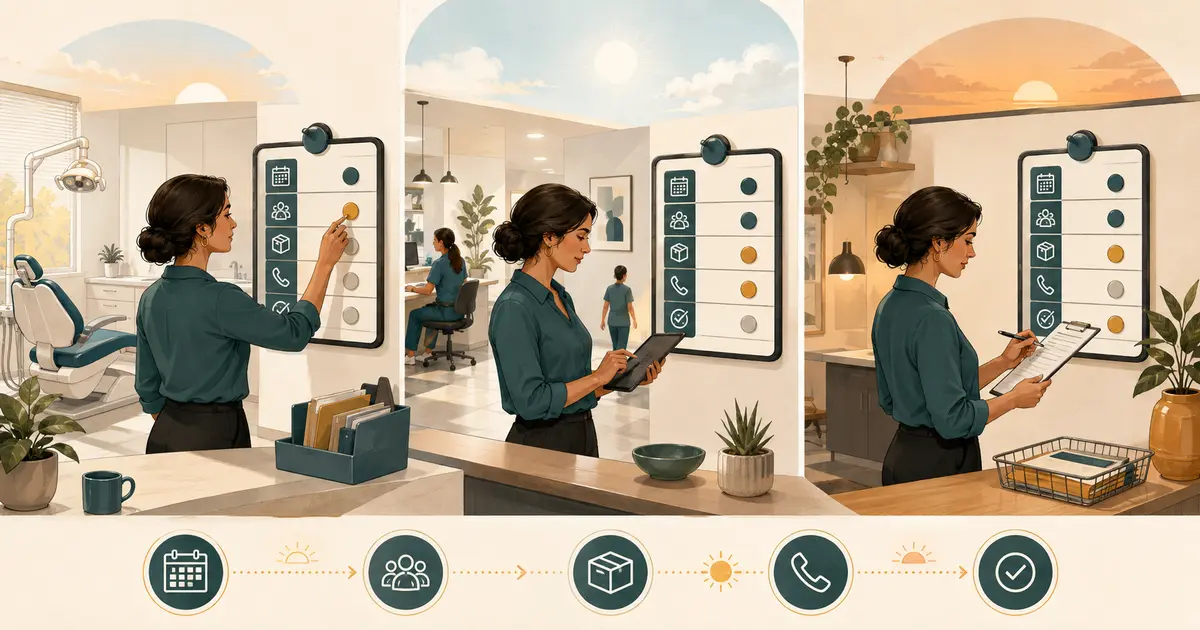
Use a dental front desk daily checklist for opening, call and request review, schedule changes, patient communication, midday handoff, and closing controls.
Use a dental insurance phone script that separates plan participation, benefit verification, estimates, patient responsibility, and assigned follow-up.
Set boundaries for an after-hours AI receptionist for dentists with approved facts, limited authority, safe escalation, privacy controls, and routine testing.
Configure conditional call forwarding for a dental practice by mapping busy, no-answer, and unavailable states to tested destinations, alerts, and recovery.
Set up an AI receptionist before opening a dental practice with a limited scope, approved facts, phone routing, privacy review, testing, and staff ownership.
Handle dental appointment request calls with accurate status language, minimum intake, scheduling authority, staff handoffs, privacy controls, and testing.
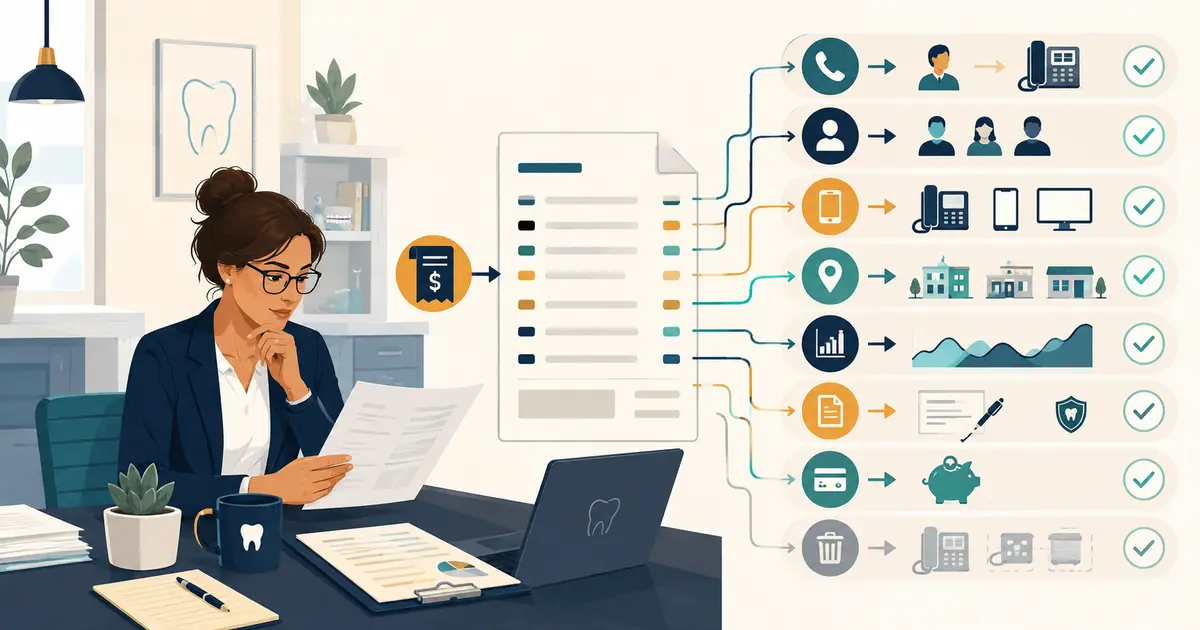
Choose a dental office phone system by mapping call flows, numbers, routing, voicemail, accessibility, security, outages, ownership, testing, and total cost.
Evaluate a human-sounding AI receptionist for dentists by testing disclosure, listening, corrections, office facts, boundaries, handoffs, and failures.
Compare an AI receptionist for a small dental practice with a multi-location setup across scope, routing, facts, ownership, privacy, cost, and rollout.
Plan weekend, night, and holiday dental answering with accurate schedules, scripts, urgent-call limits, handoffs, privacy, routing, and reopening review.
Plan dental answering services for a DSO with location-aware scripts, central standards, local ownership, privacy controls, testing, and useful measures.
Choose a professional dental answering service by defining call scope, staffing, handoffs, urgent-call limits, privacy, routing, pricing, and fallback.
Set dental office call forwarding after hours, on busy lines, and during overflow with clear triggers, caller-ID checks, voicemail order, and rollback.
Use a structured dental receptionist training plan for greetings, discovery, holds, callbacks, scripts, privacy, escalation, documentation, and coaching.
Use this dental front desk phone etiquette checklist for greetings, listening, holds, callbacks, privacy, clear status, handoffs, documentation, and closing.
Plan dental missed-call automation across routing, AI request capture, text-back, assignment, suppression, staff follow-up, privacy, and quality review.
Plan a 24/7 dental answering service with clear coverage windows, approved call scope, after-hours rules, handoffs, privacy, costs, fallback, and testing.
Use missed-call text-back for a dental office with verified readiness, approved wording, privacy limits, reply ownership, opt-out handling, and review.
Build a dental office phone outage plan with triggers, backup communications, patient notices, request tracking, privacy controls, restoration, and testing.
Choose dental office communication tools for a new practice by defining each channel, owner, privacy boundary, handoff, integration, and outage fallback.
Use a dental price inquiry phone script that answers approved fee questions clearly, separates estimates from final cost, and gives callers a useful next step.
Compare a dental answering service vs. receptionist by coverage, control, cost, caller experience, staff duties, privacy, and hybrid fit for your office.
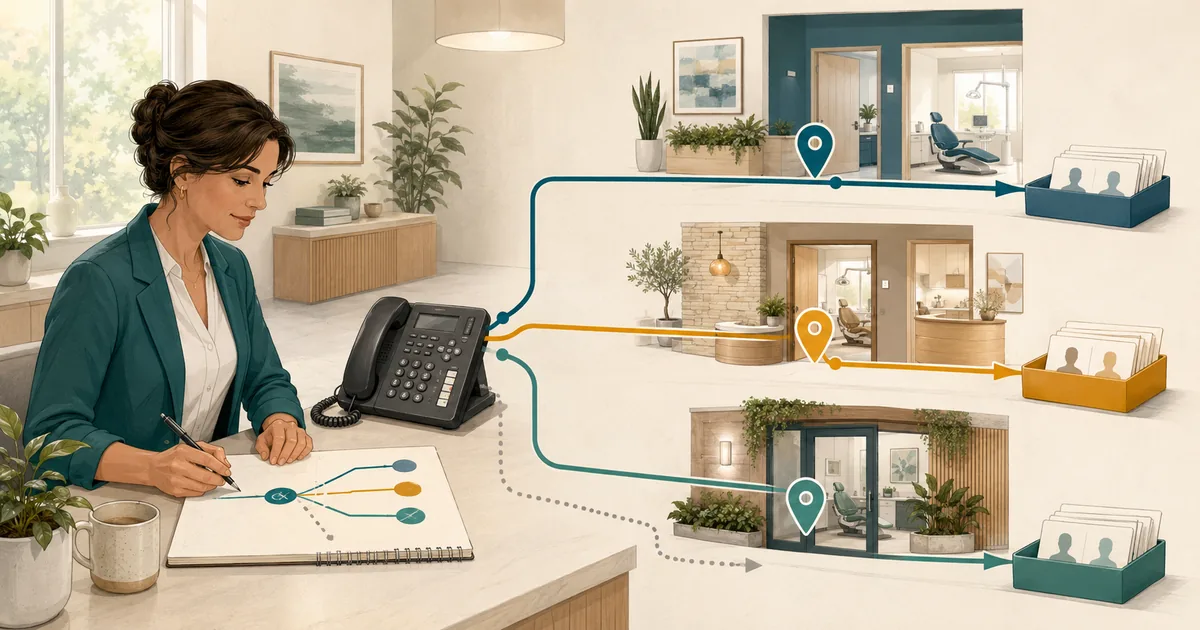
Plan a dental answering service for multi-location practices with number mapping, location questions, routing rules, request ownership, access, and fallback.
Reduce dental front desk workload by removing duplicate work, separating live and batch tasks, standardizing requests, and assigning every follow-up clearly.
Set up dental call forwarding safely by defining triggers, ring timing, caller-ID behavior, voicemail order, testing, fallback, and a clear rollback plan.
Calculate dental answering service ROI with your own call, conversion, contribution, labor, and total-cost data instead of unsupported industry averages.
Use a calm dental complaint call script to listen, clarify the concern, set safe boundaries, document facts, and hand the issue to the right person safely.
Plan dental new-patient call intake before opening with a minimal script, approved office facts, request boundaries, privacy controls, and staff ownership.
Find the best AI receptionist for your dental office with a checklist for call handling, safety, privacy, handoffs, setup, reliability, and cost before buying.
Learn when a dental call overflow service is justified, which call patterns to measure, how to compare coverage options, and how to run a controlled pilot.
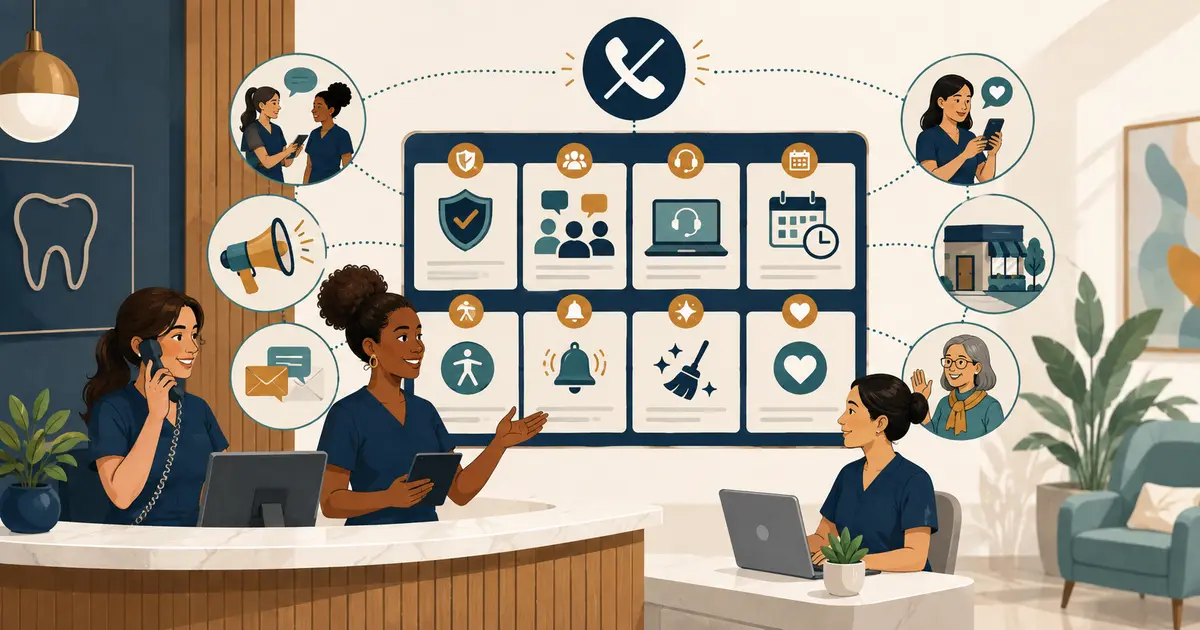
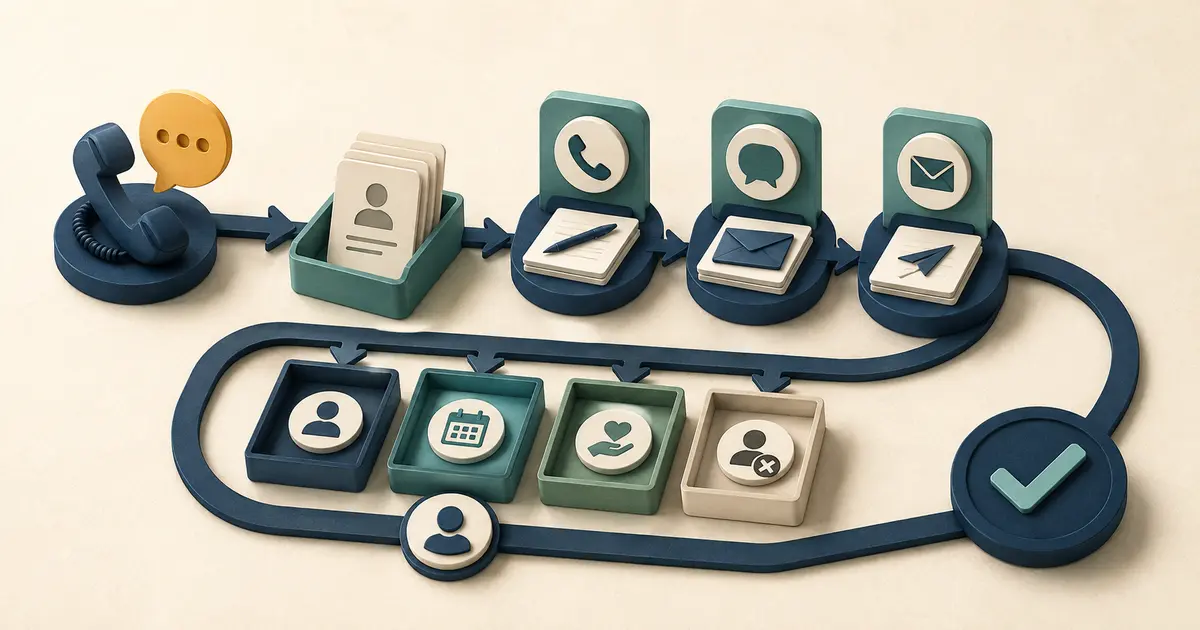
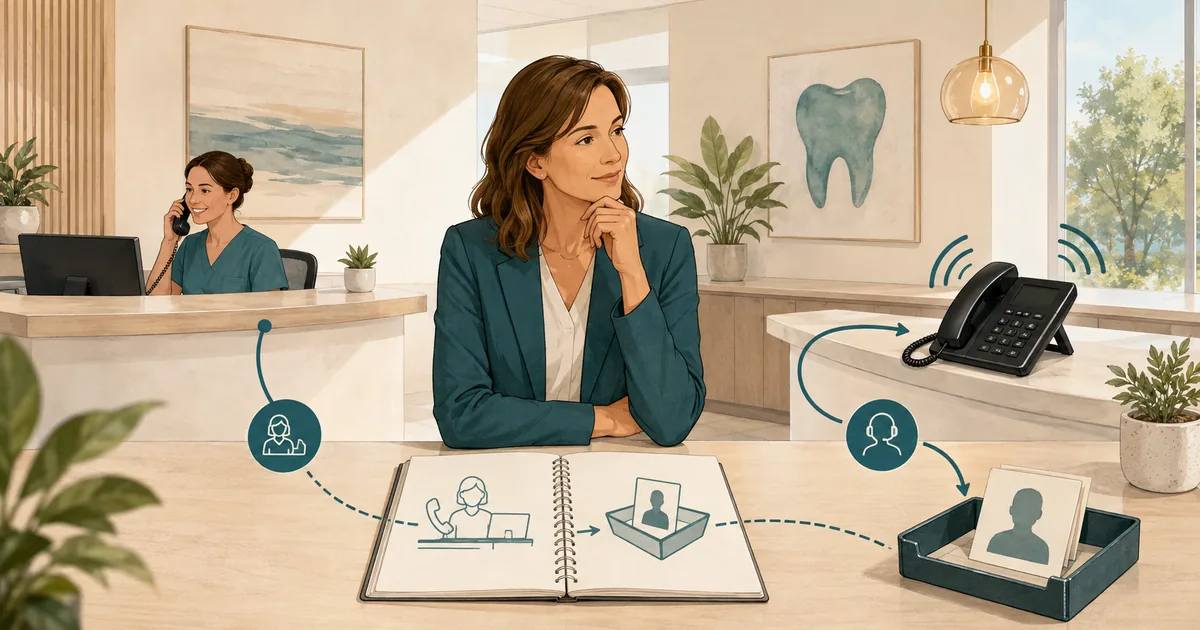
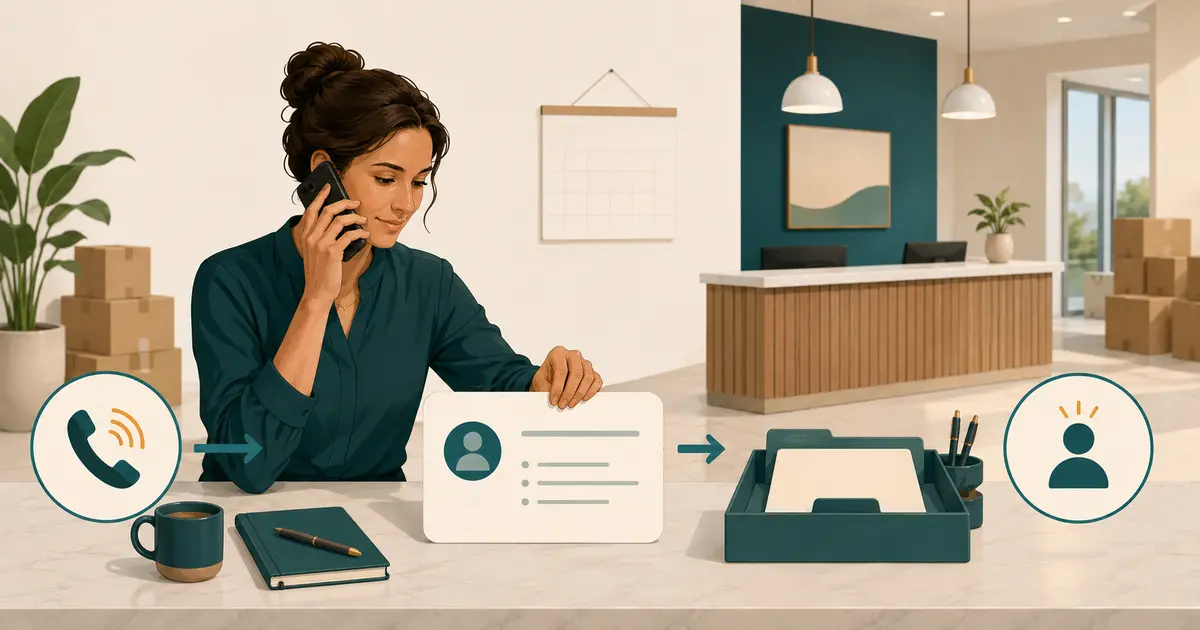
Use a dental missed call callback script to prioritize requests, return calls clearly, leave useful voicemails, and record the next step for every caller.